

Asset Management System – A Complete Guide for Effective Management
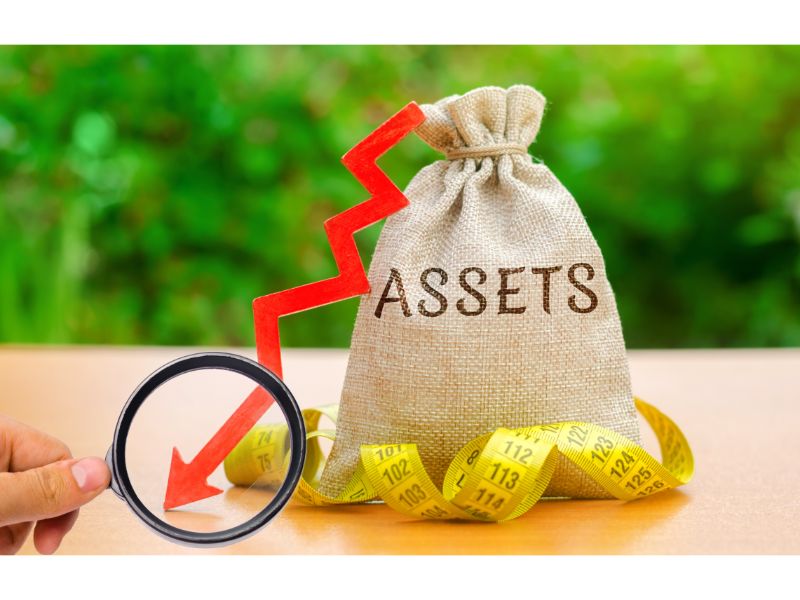
A business revolves around effectively managing your business assets and implementing practical solutions in order to reduce costs and generate higher revenue. An asset management system can help you keep track of all the operations to get the business going on a daily basis. It varies from one form to another depending on how they decide to manage the assets. It is essential for you to have real-time asset management and most of organisations don’t realise it.
What is Asset Management System?
An assets management system is a centralised process that is used to keep track of all the assets and monitor the income and outgoings of the business in an effective way. It incorporates all the tangible and intangible elements including the building, equipment, tools, machinery, and even the software assets in the cloud. When an asset management system is properly dealt with; it leads to more efficient and productive savings for your department.
Classes of Assets
The assets are classified into three major classes and there is a principle for each of the classifications accordingly.
Passive Assets
All the assets that are being used at the time like the building and other infrastructure belonging to the business are included in this category. They are called passive assets because their value is reduced with time as they age.
Static Assets
These assets include land and don’t decrease in value so it’s called static assets of an organisation.
Active Assets
This includes the actively used equipment, machinery, tools, electronics, and the software owned by the company. It includes the hardware asset that needs to be managed.
Types of Asset Management Processes
Every company has a different definition for assets and this way each one comes with a different type of asset management system. Here are the three main types of asset management systems that can be used by your company depending upon the assets and a feasible monitoring system for them.
Physical Asset Management
This is the type of system that deals mostly with tangible assets including the building, and infrastructure. It deals with the management of static assets and public assets. This also includes hardware asset management.
Financial Asset Management
This system deals with the development of investment strategy while the costs and budget are properly monitored and controlled. It includes all the essential steps for handling stocks, bonds, and cash. Basically, the finances are dealt with in this type of management including procurements as well.
Contractual Compliance
Here we deal with all the intangible assets that need to be managed including the IT assets, software, all the digital data, and contractual maintenance and management of the assets.
When is Asset Disposal Required?
When the working condition of your asset is poor and it requires more maintenance, that is when it is better to dispose of the asset and replace it with a new and more effective one. The other reason can be when your asset is not directly aligned with your requirements or the life of your asset is completed and the productivity starts to decline.
Keeping Track of a Large Number of Asset Disposals
It’s hard to keep track of your asset disposal especially if you have a bulk of them that are no longer required for your business. Here are a few ways you can keep it under control.
Maintaining Accurate Data and Evaluation
It is essential that your company keeps a proper record of the account balance sheets so that any depreciation in the value of the asset is recorded and the business will not overestimate it. If the records are right, there is a need to accurately evaluate the value and make the decision of disposal.
Taxable Earnings
An asset is all about the profit it generates and that comes from the tax benefits. If you notice a decrease in the money produced by an asset, your depreciation cost will eventually increase and the asset will probably be in a loss.
Making Favourable Business Decision
If you need to make the right decision for your finances, asset management software can be of great help. It allows you to estimate the assets in profit and those in loss so you can make a decision and cut the parts that are eating up your whole business.
Pain Points of Manual Asset Management
There are many issues that come with an asset management system and one of the hardest is to manually manage and monitor the system. It takes a lot of time and effort of the employees that could be used in something productive. Following are the pain points of a manual asset management system and some of the reasons why you need to get yourself an IT-based digital asset management system.
- The manually entered data leads to errors and inaccuracy at many points.
- The whole asset management process is not properly structured or monitored.
- There is no authority for the proper enforcement of policies of your Asset Management System.
- There are no changes in the management system and even if changes are made, they are too weak to work.
- You are unable to keep track of your real-time asset value.
- There is no security of the data and that leads to potential risks.
Importance of a Digital Asset Management System
There are many reasons why a business should invest in a digital asset management system as it has a significant role in productivity and savings. Here we have listed the points of importance of an asset management system.
Accurate Data to Keep Track of Assets
The asset management process will keep track of your data on a digital forum and the owners will have complete knowledge of the location, value, and status of the assets.
Helps in Risk Management
An asset management system will help you identify all the risks associated with your assets and further investments and allows you to properly manage them depending on the current market trends.
Ghost Assets are Removed from the Inventory
A manual system has many gaps that can be filled with ghost assets but a digital system will automatically authorise all the information and thus the inventory will have just the required data. Effective IT Asset management services will ensure to help you with that.
Track Hardware and Software Metrics
It allows you to make use of your so software metrics and track all the hardware assets as well. Including the company equipment, tools, and machinery. Even hardware data destruction is viable and effective for the security of your sensitive data.
Asset Management Best Practices
There are a few principles that are needed to provide a better value to all the assets and manage them properly. They will improve the outputs from the asset lifecycle.
Additional Value Principle
An asset is able to deliver such service that the consumer will value and there are no such assets that do not deliver a set of value with the asset.
Asset Lifecycle Principle
All kind of assets has to pass through a lifecycle where it is recognised and that helps in the proper management and monitoring.
Failure Management
When an asset is unable to deliver the proper usage and work in its time period and the required environment, it is failed and has to enter the lifecycle again for a proper asset management process.
Total Cost Ownership
There is a minimum set investment that goes around the life cycle of the assets so that the targeted performance can be monitored it delivers a balance in the targeted performance.
Conclusion
IT asset management is essential in keeping your business effective and profitable. Disposing and recycling the old equipment along with the assets that are not required can help you in many ways and that is what Computer IT Disposal is here for. The companies that lack a stable asset management process tend to lose money while they are looking for a viable solution. Computer IT Disposal delivers just the right choice as we use asset management best practices for keeping your assets properly monitored. We help you avoid the loss and ensure all the plans, policies and information system is properly integrated and the activities are managed efficiently.
Booking Form
Free collection available for qualifying items · certificates within 5 working days · 100% diverted from landfill.