

E-waste Problems and Solutions: A Detailed Guide

Rapidly multiplying e-waste problems have become a serious global concern with potentially grave consequences for our environment. As we stay largely dependent on technology, it has become crucial that every business and household follows a pragmatic framework to properly dispose of its waste.
Improper electronic waste management and disposal can have major negative effects on the environment and human health. In this comprehensive guide, we’re going to examine electronic waste problems and provide remedies for managing and disposing of it properly.
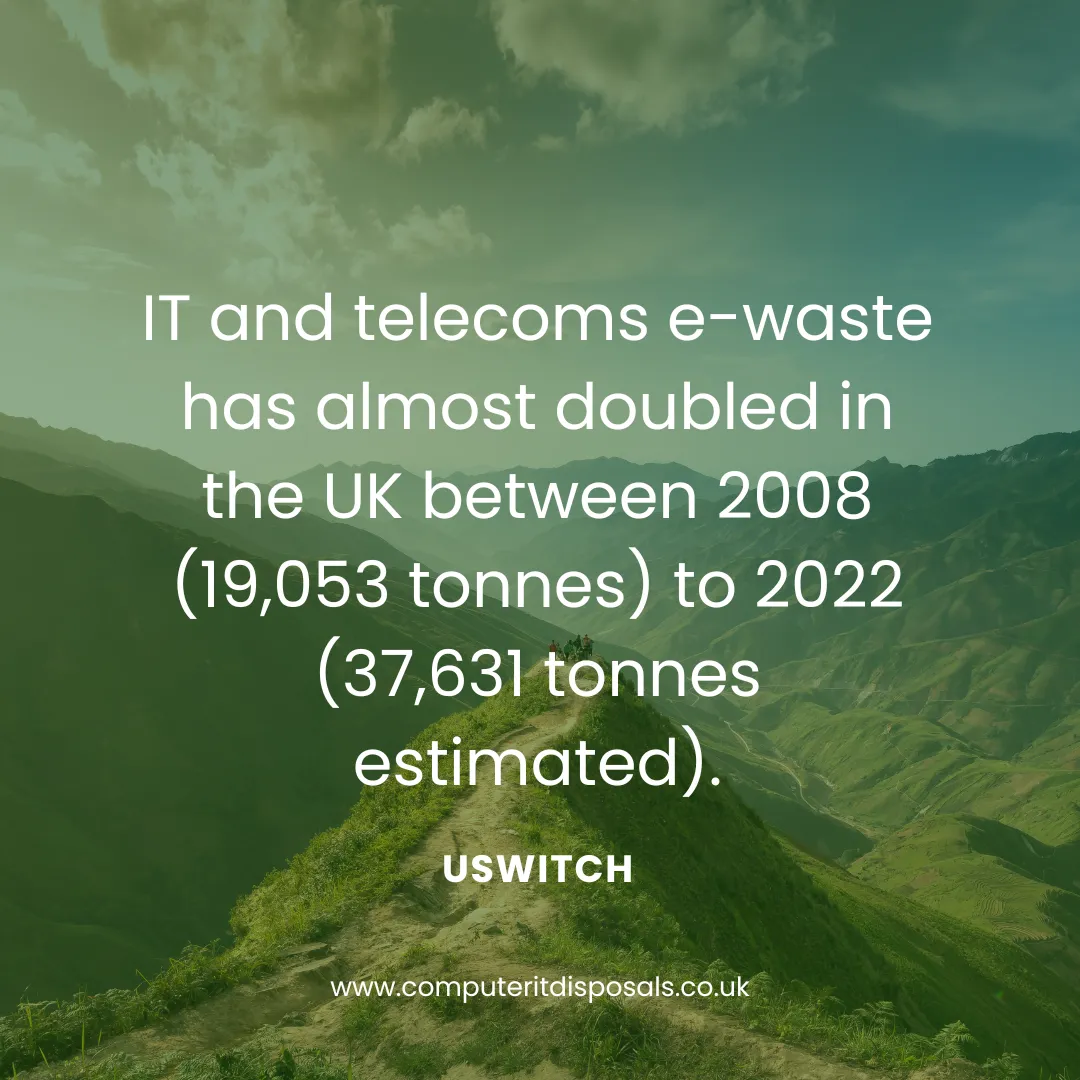
Understanding the problems associated with e-waste
E-waste problems are multifaceted and demand our immediate attention. Some of the issues associated with e-waste are discussed below:
1. Environmental impacts of e-waste
When e-waste is not properly disposed of, it can lead to the release of a lot of harmful and toxic substances such as mercury, lead, and cadmium into the environment.
These hazardous substances have the potential to seriously disrupt ecosystems and human health by contaminating soil, water supplies, and the air we breathe.
According to a report published by United Nations University e-waste is the fastest growing waste stream globally, with substantial environmental implications as this staggering amount of e-waste is equivalent to discarding 7.3 kilogrammes (16.1 pounds) of electronic waste per person on the planet.
2. Depletion of resources
Many electronic materials like mobile phones, monitors, and ACs, contain valuable resources such as silver, platinum, gold, copper, plastic, glass, and aluminium.
Owing to unsustainable e-waste disposal methods, all these valuable resources go to waste when they can easily be reused. In this way, failing to recycle old IT equipment results in the depletion of limited resources.
Let’s look at an interesting fact, according to the Global E-waste Statistics Partnership, in 2019 the value of recoverable materials in global e-waste was estimated to be around $57 billion. This fact underscores the opportunity we are losing for resource conservation and circular economy practices.
3. Health hazards associated with e-waste
The world generates more than 50 million tons of e-waste every year. This is so because as individuals’ purchasing power improves in the backdrop of increasing availability of tech gadgets, consumers tend to buy electronic devices more often, thus contributing to the growth of electronic waste every year.
However, many electronic devices contain harmful substances that can have serious health hazards if they are discarded irresponsibly. Let’s see how it happens.
When electronic waste is disposed of at a landfill, which indeed constitutes an improper disposal method of e waste, chemicals are released into the soil that damages plants, reduces crop yields, and enters the food chain when consumed by people or animals.
The e-waste contains a cocktail of toxic components that poison human health. It can also damage the brain, heart, liver, muscles, nervous system, fertility, and bones.
4. Data security
Now, you must be thinking why and how e-waste is a problem for data security. Well, it is a problem because improper disposal methods give impetus to numerous data privacy problems.
Not using secure data destruction procedures may result in data breaches and theft. If old devices are not properly wiped off, private or sensitive data, financial records, and confidential company information could fall into the wrong hands.
And when it does, it greatly increases the possibility of identity theft, financial loss, and reputational harm to the relevant company. Therefore, it is crucial that you carry out secure data destruction before you discard your e-waste.
Solutions for E-waste Disposal and Management
To address the e-waste problems, it is important to implement practical waste solutions for its proper disposal and management. The good news is there are some simple solutions that can help you reduce or minimise e-waste.
1. Responsible e-waste recycling
An important strategy for reducing the negative effects of e-waste problems is responsible e-waste recycling. Electronic gadgets must be properly disassembled and recycled to ensure the safe handling of hazardous materials and the recovery of valuable resources.
Furthermore, working with certified e-waste recyclers guarantees adherence to environmental laws and moral recycling methods.
Recycling facilities can use cutting-edge technology to efficiently and sustainably recover useful resources from e-waste. So, you can easily recycle old computers, mobile phones, and other electronic appliances.
2. Donate or sell used electronic gadgets
Selling your working electronic gadgets is one simple way to efficiently manage e-waste problem. A large portion of online buyers want to use or resell the products’ components. You can easily capitalize on this opportunity.
If not, you can send your outdated equipment to be successfully recycled or repurposed by recycling companies. This option can also prove profitable depending on your provider’s policy.
3. Extended producer responsibility (EPR)
Extended producer responsibility is a policy approach that holds manufacturers accountable for every stage of the lifecycle of their products, including the handling of e-waste.
Manufacturers who implement EPR programmes oversee funding and planning the collecting and recycling of their products once they have reached the end of their useful lives.
This strategy encourages sustainable business practices all along the supply chain and incentivises manufacturers to create products while keeping recyclability in mind.
4. Education and awareness
Due to soaring e-waste problems, raising awareness regarding the importance of proper e-waste management has become significant. Educating individuals and businesses about the environmental and health hazards of e-waste, as well as the available solutions, can drive a positive change around us.
By providing information on recycling options, e-waste collection events, and the potential risks of improper disposal, we can empower the populace to make informed decisions and take responsible actions in accordance with national regulations.
Educational initiatives can be carried out through schools, community organisations, and online platforms to reach a wider audience.
5. Policy frameworks and legislation
By putting laws and regulatory frameworks into place, governments can play a crucial role in tackling e-waste issues. E-waste management requirements, restrictions on the use of hazardous materials present in electronic equipment, and financial incentives for ethical recycling practices are a few examples which need legislative attention.
Governments may create a framework that encourages proper management and disposal of e-waste while holding companies and individuals responsible for their actions. This can be done by passing exhaustive rules and regulations.
6. Partnerships and collaboration
Collaboration amongst a range of stakeholders is necessary to address the range of issues posed by e-waste. Governments, companies, manufacturers, recyclers, non-profit organisations, and individuals all have a part to play in developing an actionable e-waste solution.
Here’s how we can achieve that:
- Establishing e-waste management networks
- Forming alliances between organisations in the public and private sectors
- Sharing resources and best practises
These are all examples of collective initiatives that can make a huge difference.
By joining hands together, we can combine our knowledge, expertise, resources, and creativity to create lasting solutions for waste disposal.
Final Thoughts
E-waste problems are multifaceted and call for a collective effort. Being aware of the environmental impact, resource depletion, health hazards, and data security issues involved, is a perquisite for taking practical steps toward effective e-waste disposal and management.
We need to work together to ensure sustainable management of e-waste, protect the environment, and build a safer and healthier future.
Are you looking for a trustworthy partner to overcome your e-waste problems? Contact Computer IT Disposals and let’s get started today.
FAQs
What are the problems caused by e-waste?
E-waste can cause air, land, and water pollution. Old equipment dumped in landfills releases toxic substances such as barium, lithium, and cadmium into the air which may cause respiratory and cognitive issues. Contact the Computer IT Disposal team to find out more.
Which are the three main problems generated by e-waste?
E-waste contributes to environmental pollution by releasing three major harmful effects into the atmosphere: lead, mercury, and arsenic. These toxins can cause serious health problems for adults and children.
What is the solution to the e-waste problem?
Contact the Computer IT Disposal local unit in your area to discuss in detail the most appropriate solution for your e-waste problem.
Booking Form
Free collection available for qualifying items · certificates within 5 working days · 100% diverted from landfill.