

E-Waste Recycling: The Journey of Disposed Computers

The journey of disposed computers starts the moment we dump our old computers. These electronic devices either end up in a landfill or go through the proper process of e-waste recycling.
In this blog, we will understand the importance of e-waste recycling, and explore the journey of disposed computers, the advantages of recycling, and how we can responsibly recycle our old computers.
Significance of e-waste recycling
Before we jump on to the journey of disposed computers, it is crucial to first understand how important e-waste computer recycling is.
There is no denying that recycling e-waste has become crucial for preserving the environment. This is so because as technology continues to grow, the electronic waste is growing exponentially too.
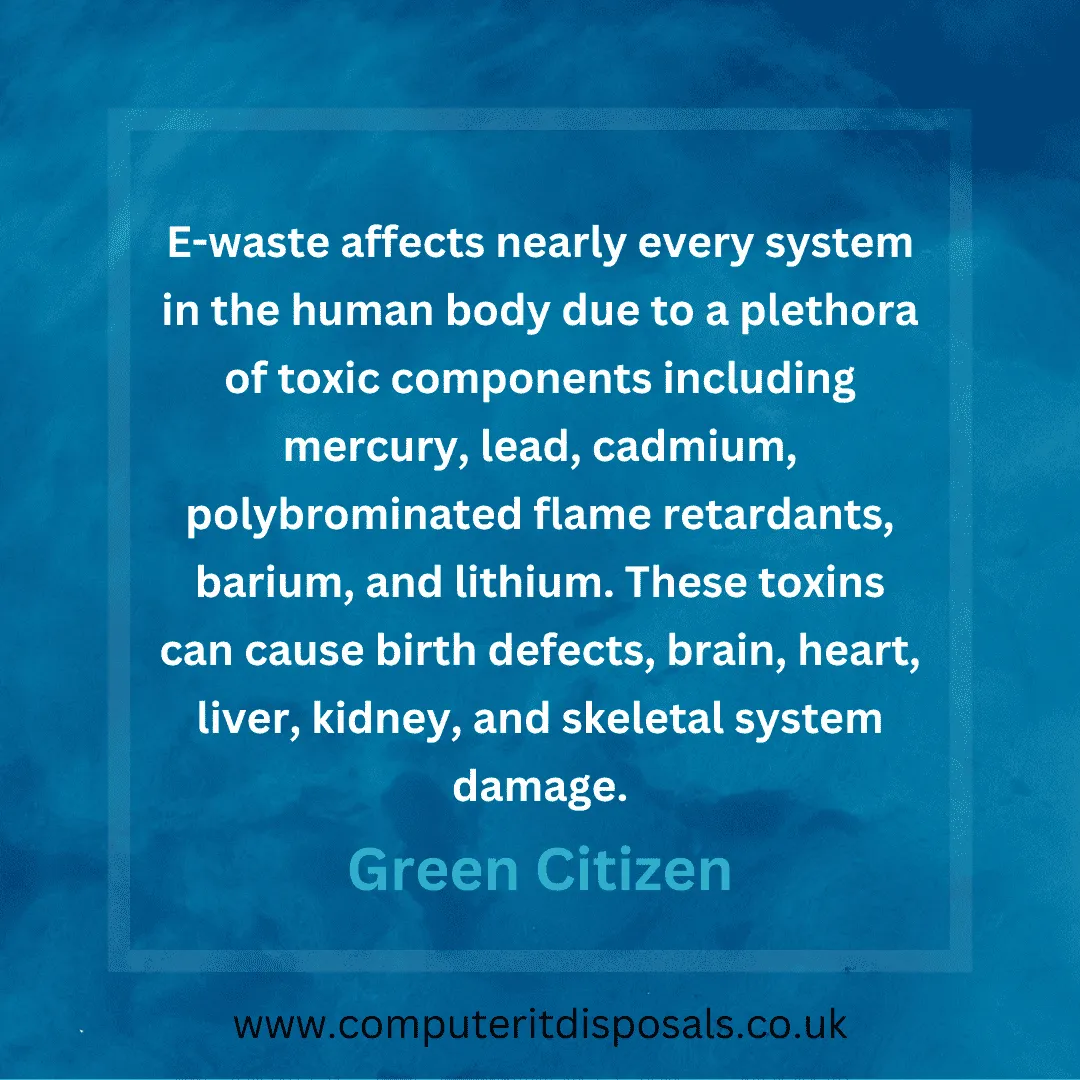
Here are some major benefits of recycling electronic waste:
- Protection of public health
- Reduced water pollution
- Protection of air against release of toxic substances
- Conservation of natural resources
- Promotion of sustainable growth i.e., circular economy
- Compliance with national and international regulations
- Generation of jobs
The above-mentioned points are discussed in detail later in the blog.
E-waste includes all types of electronic gadgets nearing their end of life or no longer useful to the owners. Recycling e-waste benefits the environment by reducing waste litters the landfills and streams.
According to a report by the World Economic Forum (WEF), there are around 50 million tons of e-waste around the world. This report further highlights the importance of e-waste recycling and why businesses cannot afford to ignore the e-waste problem.
Breaking down the journey of disposed computers during e-waste recycling
Understanding the journey of disposed computers is crucial to determine whether the waste is going to end up in a landfill and release toxic substances in soil, air, and water or, it’s going to be recycled properly and its negative impacts on the environment minimised.
The process through which recycling of e waste is carried out is discussed step-by-step as follows.
1. Step 1: Collection and transportation
The first step of e-waste recycling is collection and transportation. Old computers, laptops, and other electronic gadgets are first collected and then transported to specialised facilities for further processing.
The collection process takes place in two different ways. The first one is the drop-off centres where you could take all your old electronic devices and drop them off at a specific location. The second way is the e waste recycling pick up services, where e-waste recyclers offer to collect your old computers and devices directly from your home or company.
2. Step 2: Sorting of equipment & data security
Once the old computers are shifted to a specialised facility, they are sorted and separated according to their build, model, type, and condition. At this stage, if any computer equipment is deemed fit for refurbishment, they are also separated from the others.
Data security is also ensured since it is of great significance. Certified e waste recyclers make sure that any kind of personal information or any sensitive data is securely wiped off with the help of effective software or the hard drives are shredded into small pieces if required.
3. Step 3: Disassembly and component recovery
When all the computers and devices are successfully sorted out and any remaining data is destroyed, they are then disassembled to extract valuable materials that can be repurposed.
In this step, plastic casings, metal components, cables, and circuit boards are separated carefully and any valuable material that can be reused is extracted and stored.
4. Step 4: Recycling of material
After the extraction process, all the disassembled components are then sent by the computer recycler for further processing and recycling, based on their material composition. Let’s find out how.
- Metals: All the metals extracted from the old computers, like copper, steel, and aluminium are further melted and stored so that they can be reused. Conservation of these valuable metals helps in reducing mining for new production.
- Plastic: Similarly, plastic materials are also melted and reused in the production of other plastic materials.
- Glass: Glass extracted from the screens and monitors is usually crushed and processed to produce new glass products.
- Circuit Boards: The most valuable metals are collected from the circuit boards. They contain gold, copper, and silver. These metals are further processed and reused in other electronic products.
5. Step 5: Responsible disposal of non-recyclable materials
During the process of e waste computer recycling, all the components cannot be recycled completely. Some of the components, such as certain types of plastic and batteries, are non-recyclable and might contain toxic materials.
Hence, certified e waste recyclers make sure that these components are responsibly and carefully treated and disposed of in line with the environmental regulations and laws.
Advantages of recycling e waste
Following are the advantages of recycling old computers and other electric gadgets.
1. Resource conservation
E-waste recycling helps us conserve valuable resources. It helps reduce the need for the mining of new resources for production and manufacturing of new products.
2. Environmental protection
Proper recycling of computers and other electronic devices helps in curbing the negative impacts of e-waste on the environment, and also prevents contamination of soil, air, and water. With proper e-waste recycling, we can protect our ecosystem from e-waste-induced pollutants.
3. Employment opportunity
E-waste recyclers create a lot of job opportunities. From collection and sorting to material recovery and recycling, the industry contributes to the job market and economy.
4. Energy conservation
The process of recycling consumes less energy in contrast to the energy consumed by the extraction of raw materials. This way we could contribute to the efforts made by the energy conservationists.
Ways in which you can responsibly recycle your old computers
If you are confused about how to recycle your e waste responsibly, here are a few tips:
1. Find certified e-waste recyclers
Look for certified e-waste recyclers in your area. The certification ensures that the recycler adheres to all the regulations of responsible recycling.
Make sure that they are certified by R2 (Responsible Recycling), and if you cannot find one, you can reach out to one of our representatives of e waste recycling uk outlet.
2. Local collection events
Keep an eye on local e-waste collection programmes usually organised by recycling organisations or community drives regarding e-waste. These events provide you an opportunity to recycle old computers responsibly.
3. Manufacturer take-back programmes
Some computer manufacturers offer take-back programmes. For example, Apple take-back programme lets you buy a new device at a much lower price if you give away your old device. Programmes like these provide an easy and lucrative way of recycling old electronic devices.
4. Erase data securely
The most important step is to wipe off your computer’s hard disk before recycling. This is to protect your personal data from getting into the wrong hands. Certified recyclers do this on their own with the help of specialised tools and software.
Final Thoughts
To sum it up, recycling disposed computers, if done properly, helps us reduce the negative effects of e-waste generation on our environment. By understanding how the recycling process works and what the advantages of recycling are, we can greatly contribute to a sustainable future by spreading the word and encouraging e-waste recycling.
If you are also in search of a trustworthy recycler, you contact our Computer IT Disposals unit in your locality. Our experts will help you devise the most suitable plan for your e-waste.
FAQs
What is an example of e-waste?
Old laptops, computers, tablets, printers, LCD televisions, DVD players, all fall into the category of e-waste and can be properly recycled.
How can we solve the problem of e-waste?
E-waste recycling presents the most effective solution for tackling the problem of e-waste. Your first priority should obviously be limiting the numbers of electronic devices you buy for your personal and official use. You can also repurpose your old devices to prevent them from polluting the environment by ending up in incinerators or landfills. Lastly, you can contact an expert to get your e-waste recycled.
How is e-waste polluted?
When e-waste dumped in a landfill is exposed to heat, it releases toxic chemicals such as lead, mercury, cadmium, and lithium into the atmosphere which pollute our environment. These substances also seep into the ground and affect land and water supplies. All of this causes numerous health problems in adults and children alike.
Booking Form
Free collection available for qualifying items · certificates within 5 working days · 100% diverted from landfill.