

Computer IT disposal: New Legislation and Tips for Businesses in UK

All of us change our old tech devices with the new models as soon as the new ones arrive in the market. Both businesses and individuals follow this practice to keep abreast with the latest trends.
But where do old devices go? It is an important question. Since there is a lack of awareness in many countries when it comes to recycling. Tech devices can terribly harm the environment if thrown in the landfill. That is why all developed countries have now started policymaking on this subject. However, waste disposal legislation UK is the focus of this article.
Why proper disposal of obsolete IT equipment is necessary?
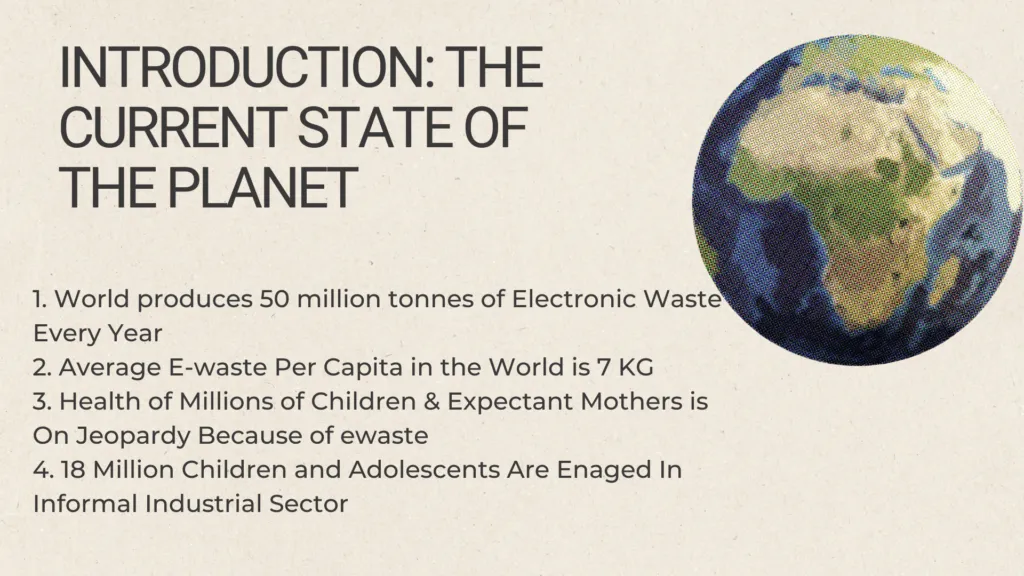
The term e-waste is used to refer to computers or electronics that are not in use. The world generates almost 40 million tonnes of e-waste every year, and almost 90% of it is not properly disposed of.
Proper collection and recycling of electronic waste is imperative to avoid the health issues that dangerous metals inside e-waste (lead, mercury, e.g.) can cause. E-waste exposure has been found to link with following health issues:
- Thyroid dysfunction
- Reduced fertility
- Behavioural changes
- Decreased lung function
- Cell changes, including cancers
The UK Government is always trying to ensure that all businesses practise proper tech recycling, and recycle their old devices. Different businesses are also providing computer recycling services. Waste disposal Legislation UK is always active to promote sustainable practices and ensure implementation of IT disposal rules in UK.
New workplace recycling regulations announced in wales
In the last week of November 2023, the Welsh parliament passed a new law about workplace recycling regulations. From April 2024, businesses, charities, and other third sector organisations must separate certain recyclable materials and arrange collection away from other waste.
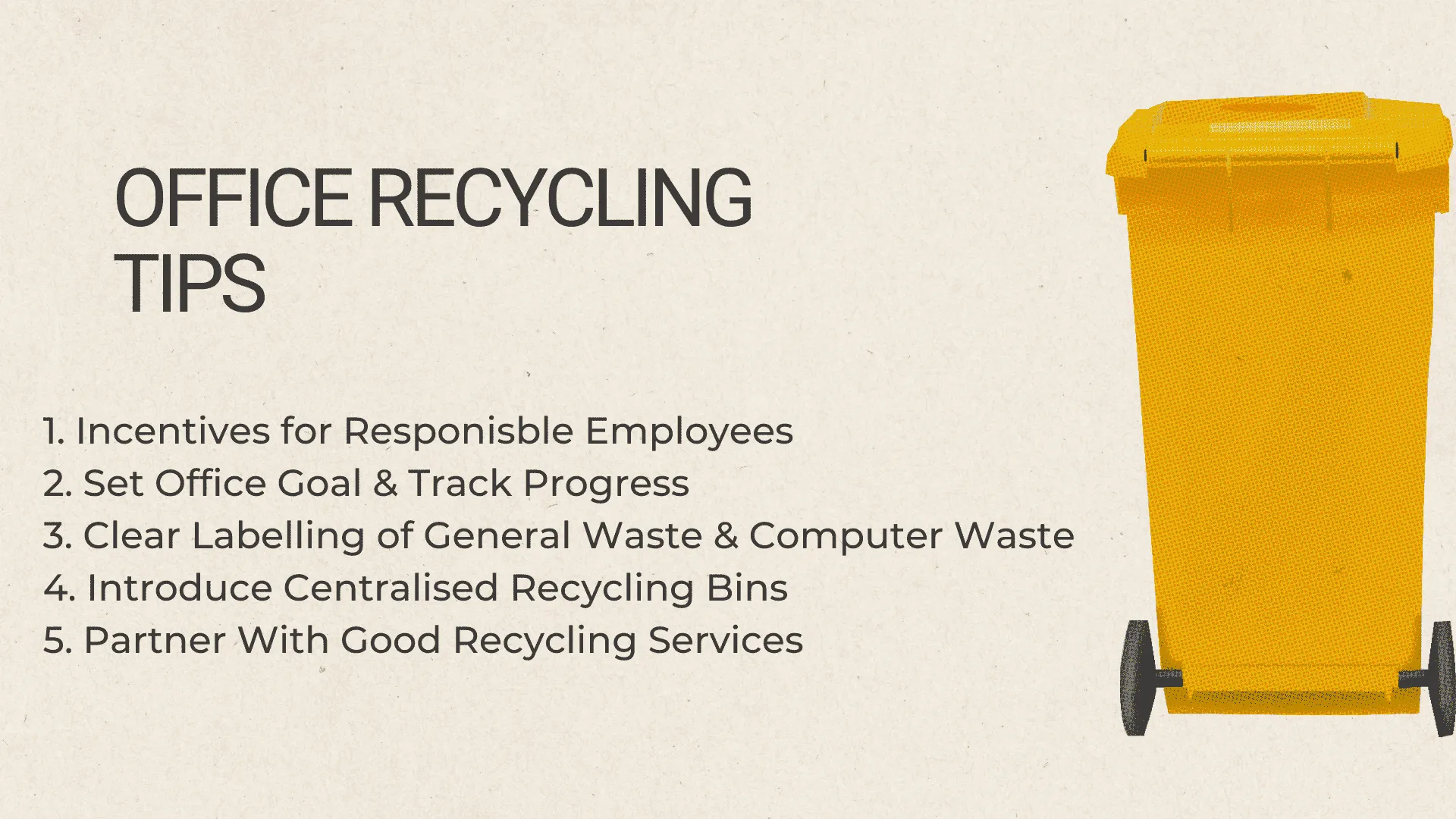
Workplaces would be legally bound to separate paper and card, glass, packaging, food, electrical, and textile waste for recycling like most households already do. The intention of concerned authorities is to improve recycling rates in Wales. They believe that it would be a good step to move the country closer to becoming a zero-waste nation.
Let’s take a closer look at other e-waste laws and regulations that waste disposal legislation UK.
Overview of weee directive
WEEE is the abbreviation of Waste Electrical and Electronic Equipment Regulations. The UK government regulates this authority, which requires businesses to recycle all their electronics and meet specific and measurable recycling targets.
From TVs to computers, and fridges and printers, it covers all large household and small household appliances. WEEE makes sure that UK businesses do the following things:
- Make sure that their e-waste does not end up in the landfills
- Make sure that their e-waste is properly recycled or refurbished
- Ensure that their e-waste is recycled in environmentally-friendly way
- Ensure that any authorised facility picks their e-waste
- Ensure that they also meet annual recycling targets set by WEEE
The current legislation also has some more legal acts. Let’s review one by one.
Data protection act 1988
This act bounds businesses to ensure disposal of stored data before recycling. All data must be wiped out from hard drives to avoid any breaches. Businesses and individuals must be extra careful about this. Carelessness can make your valuable data vulnerable and result in heavy fines due to violation of Data Protection Act 1988.
Many IT disposal companies in the UK also offer data destruction services. They either use data destruction software or shred the hard drive to ensure permanent removal of data.
Environmental permitting regulations 2010
Businesses must get a permit from the Environment Agency before they can recycle certain types of WEEE. Some items on the list are CRT monitors and TV sets, which contain hazardous substances.
Hazardous waste regulations 2005
It makes sure that businesses dispose of their WEEE in an environmentally responsible way. That also covers correct labelling and proper transportation to the authorised treatment facility.
Non-compliance with WEEE or other laws set by any waste disposal legislation UK can result in heavy fines on businesses. Make sure your business is always in compliance with all local and national authorities and their policies.
Tips for businesses on IT disposal
Here are some tips on how to recycle your old IT equipment while keeping your data safe and ensuring compliance with waste disposal legislation UK.
- A solid plan for disposal of IT devices and clear policies can always help achieve the annual goals. Companies should have comprehensive policies for all IT equipment and dedicated staff to handle all IT inventory and track the condition of every piece of equipment.
- Also, make sure that your recycling partner is certified. Partnering with a non-certified company can have severe legal consequences.
- Make sure there is no data left on any of your equipment. Either hire special staff to ensure data removal or find the recycling partner who also offers data destruction services.
- Train your employees for proper IT disposal. You can also make them participate in recycling events to help them learn about sustainability.
- Record keeping is also essential for compliance as well as negotiating with recycling companies. Make sure you have proper documentation that covers each and every detail of your equipment.
Conclusion
Businesses can definitely play a big role in making our world’s environment clean and free of e-waste. The leftover effects of e-waste can be compensated by making individuals also responsible recyclers. Adopting recycling practices at homes and offices and staying compliant with waste disposal legislation UK can surely help us make this world better for our future generations.
If you are a UK business looking for a recycling company to recycle your old devices, Computer IT Disposal is one of the best choices you can make. Drop a message today to get an efficient recycling service who provides complete data destruction and is compliant with all WEEE regulations.
Booking Form
Free collection available for qualifying items · certificates within 5 working days · 100% diverted from landfill.