

How to Identify E-Waste and Prevent Improper Electronic Waste Disposal?

What do you do with your old computers, laptops, mobiles, and other tech gadgets? We all normally buy new devices when old ones break or go out of date. However, what we do with the old one is an important question.
The answers can negatively impact our environment and increase the risk of several health issues. These devices are called e-waste, and the purpose of this blog is to help you identify e-waste and its types and know what you can do to prevent its improper disposal.
Unfortunately, many people discard these devices in the trash, unaware of the potential harm they can cause. The responsible approach is to recycle, refurbish, or donate them and contribute to a healthier environment.
What is e-waste?
Basically, any device that is no longer used is called e-waste. Some examples are cell phones, computers, televisions, video game consoles, laptops, printers, stereos, etc. And these are the examples of common e-waste.
Some non-common e-waste items are smartwatches, microphones, massage chairs, treadmills, etc.
Improper disposal & its effects
The pace of technology also contributes to the e-waste problem. New devices are released in a very short span, making a huge number of working devices outdated. Businesses and individuals prefer to buy new models while their old devices are working perfectly.
A lot of improper disposal methods are practised throughout the world. Some countries let them go into landfills. There are toxic materials inside computers that can release dangerous toxins into the environment if heated up.
Of course, the ground heats up during hot days, which causes devices to heat up. This also contaminates underground water, which poses several health risks for both animals and humans.
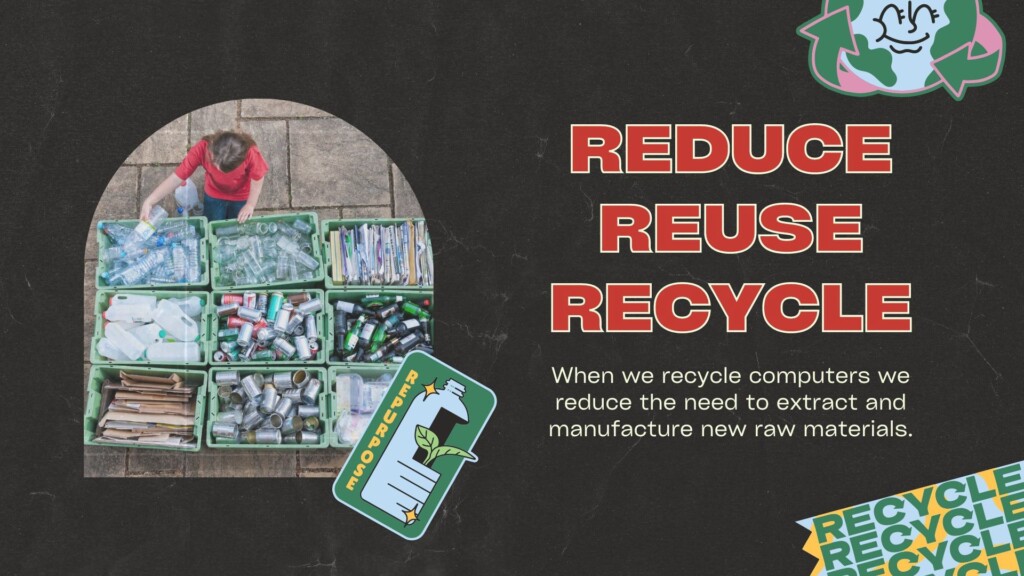
That is why a computer must be recycled properly rather than thrown in the regular trash. However, one thing to remember is data destruction. Your hard drive may have a lot of sensitive data saved, like passwords and credit card numbers. Make sure that the computer recycling company that you choose also offers hard drive destruction service.
How to classify e-waste?
There are many ways to classify e-waste. Here are the two major ones. However, it could vary from country to country.
Characteristics of e-waste
1. Age of device
The device’s age could be an important parameter. It could help us figure out if it can last more or not. In the end, the purpose of classification also is to figure out what to do with which device.
2. Condition of device
Then comes the condition in which you receive the device. Experts could make different stacks of repairable devices, refurbishable devices, and useless devices that would eventually be recycled.
3. Presence of hazardous metals
We can basically classify e-waste on the basis of its composition and components. We may categorise them on the basis of ferrous and nonferrous metals, pollutants, plastics, and glass. Major contributors are Iron and Steel in waste electrical and electronic equipment (WEEE) materials.
Plastic is the second largest. Third are the nonferrous materials and precious metals. Nonferrous materials include metals like copper and aluminium. Examples of precious metals are silver, gold, and platinum. Both are in abundance and hold huge business value.
Toxic materials can become pollutants when they exceed threshold quantities or are disposed of improperly. Cadmium and lead are found in circuit boards, lead oxide and cadmium in cathode ray tubes, and mercury in switches and flat-screen monitors.
Visual cues
1. Marks & labelling
Experts could also use the labels already made on the devices to categorise them. For example, laptops from different companies can be kept in different cages.
2. Size & shape
Items of different sizes can be kept in different stacks.
This table shows the most widely accepted e-waste classification. It is based on European Union directives.
| Type | Examples | |
| 1 | Large household appliances | Refrigerators, freezers, washing machines, clothes dryers, dishwashers, electric cooking stoves and hot plates, microwaves, electric fans, and air conditioners |
| 2 | Small household appliances | Vacuum cleaners, toasters, grinders, coffee machines, appliances for haircutting and drying, toothbrushing, and shaving |
| 3 | Information technology (IT) and telecommunications equipment | Mainframes, minicomputers, personal computers, laptops, notebooks, printers, telephones, and cell phones |
| 4 | Consumer equipment | Radios, televisions, video cameras, video recorders, stereo recorders, audio amplifiers, and musical instruments |
| 5 | Lighting equipment | Straight and compact fluorescent lamps and high-intensity discharge lamps |
| 6 | Electrical and electronic tools | Drills, saws, sewing machines, soldering irons, equipment for turning, milling, grinding, drilling, making holes, folding, bending, or similar processing of wood and metal |
| 7 | Toys, leisure equipment, and sporting goods | Electric trains or racing car sets, video games, and sports equipment with electric elements |
| 8 | Medical devices | Radiotherapy equipment, cardiology, dialysis, pulmonary ventilators, nuclear medicines, and analysers |
| 9 | Monitoring and control instruments | Smoke detectors, heating regulators, and thermostats |
| 10 | Automatic dispensers | For hot drinks, hot or cold bottles, solid products, money, and all appliances that automatically deliver various products |
Consequences of improper e-waste disposal methods
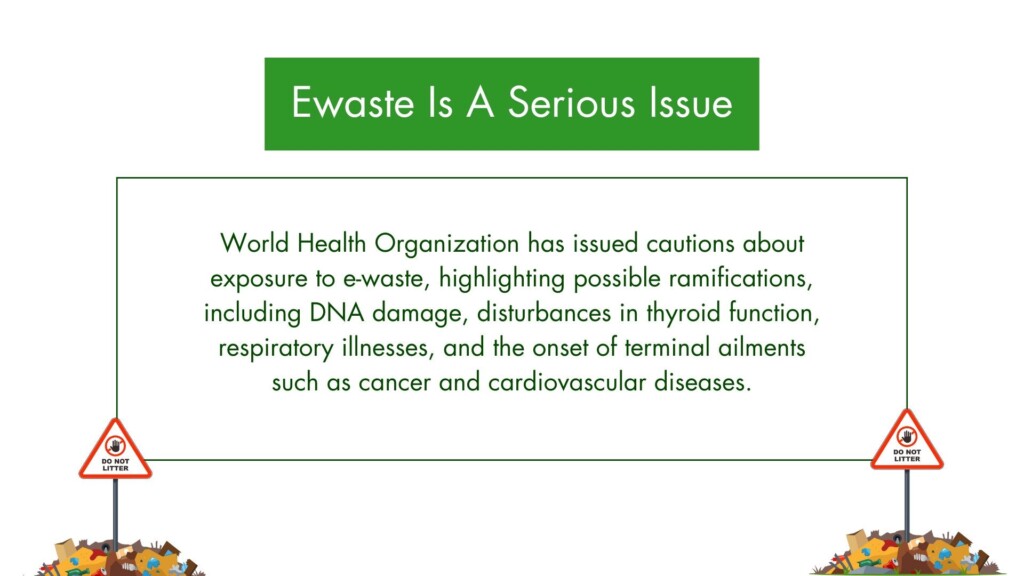
As we have discussed above, putting e-waste in a landfill can have dreadful consequences. Another popular method is open-air burning, which is also terrible. Let’s examine some examples to elaborate on why proper computer disposals are necessary.
Let’s consider the open burning of a printed wiring board. It can increase the concentration of dioxins in nearby areas. That can result in an increased risk of cancer when workers or residents inhale in the same air.
Some countries burn insulated wires to get resalable copper, which can lead to neurological disorders. Cadmium is also inside semiconductors and chip resistors, which can damage the kidney, damage the lever, and even result in bone loss.
Also, if someone faces long-term exposure to lead on printed circuit boards and computer and television screens, it can damage their nervous system as well as kidneys.
Conclusion
Safe e-waste disposal methods are the most important need of the modern era. Improper methods harm the environment and waste important resources. Governments and businesses everywhere play their part in raising awareness among the public.
Computer IT Disposals offers IT recycling services across the United Kingdom and ensures the protection of client data.
Booking Form
Free collection available for qualifying items · certificates within 5 working days · 100% diverted from landfill.