

4 Questions to Ask When You Avail Free Computer Waste Recycling Services
Free of cost is one of the sweetest English phrases. All of us are always looking for new ways to reduce costs whether we are businesses or individuals. However, price and quality are two different things. Computer Waste Recycling also falls under that category.
There are certain questions you need to ask when you go for free computer recycling. This blog post aims to highlight those questions. However, if the answers to all questions are satisfactory, you can go for a free computer recycling service. Not every free service is completely unreliable.
The Problem of E-waste
Computer recycling and disposal is something all businesses and individuals must take seriously in this modern age. The era we are living in is the era of rapid technological advancement. We all have the urge to instantly discard outdated devices when newer and latest models are available.
But that creates a new problem that we can refer to as e-waste proliferation. We keep changing devices, increasing the number of discarded devices. Throwing them in landfills carelessly seems easy, but it is extremely dangerous for the environment we live in.
Disadvantages of improper e-waste disposal
The first disadvantage is the wastage of valuable resources like Gold, Copper, Aluminium, Lead, and Mercury. Second, the dangerous metals inside heat up in the summer as the ground heats up.
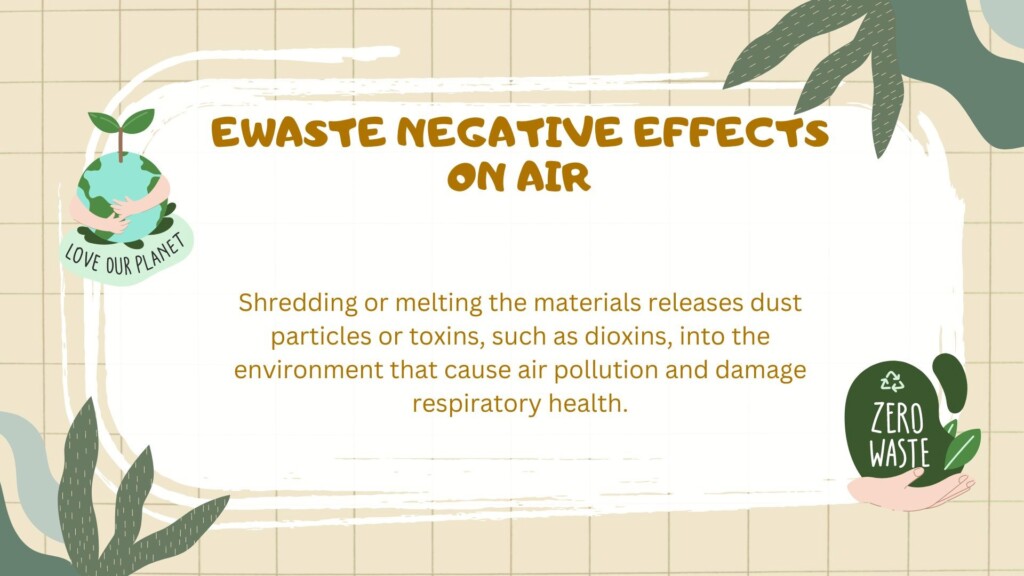
The result is the release of dangerous toxins into the surroundings. These toxins are terrible for the health of humans and animals living nearby. The only way out is to get in touch with IT recyclers and make sure that this does not happen.
The charm of free tech recycling
In many developed countries, it is illegal to throw your e-waste in a dump. So, businesses and individuals must recycle their old computers and laptops and be ready for legal consequences if they don’t.
Of course, responsible people would never do that. They reach out to IT recycling companies for Computer Waste Recycling. Many people are not habitual recyclers, so they prefer free services. While free services seem attractive, they may come with hidden dangers.
That is why you need to ask these four questions. If you do not get satisfactory answers, it is better to not partner with these companies.
Is free always bad?
However, it is not to say that all free recycling services are unreliable. If businesses have a bulk of equipment to recycle, companies may offer attractive discounts. A skeptical mind may doubt the reliability, seeing things like free collection services for more than 20 items.
It is natural to ask, how do they cover the expense? But it is not that complex. Companies do have many smart ways to cover such gaps. In a free collection of many items like more than 20, companies extract parts from them and use them to cover the expenses.
They may sell certain computer parts that are still in working condition and recycle the left overs. Moreover, surely, they do something with recycled materials.
1. Is data security your priority?
We know that our old computers could contain a lot of our personal data. Irresponsible disposal services can expose us to the risk of data breaches. Our hard drives can contain our personal information, credit card numbers, or any confidential data.
To stay safe, we must make sure to wipe the entire data from the computer. Secure computer recycling and disposal services always wipe the data before recycling the computer.
This is one of the most important questions to ask if you go with a free computer recycling service. Some of them may not prioritise data security, and you may end up with a problem. You take a desktop computer, laptop, or mobile to them that has your sensitive data.
It is just like you put your device on the road and let anyone read your personal data. Everyone knows about the potential consequences of things like data breaches and identity theft.
In short, some free recycling services do not always follow rigorous data protection procedures. As a result, anyone can recover the data from your hard drive.

Sometimes, these companies may also not comply with data protection laws. For example, we have GDPR in Europe. These laws mandate specific standards for data handling and destruction. In case of non-compliance, equipment owners may face legal and financial repercussions.
2. Do you keep environmental concerns in mind?
Computer Disposals companies must also make their recycling methods environmentally friendly. Otherwise, there is no point in recycling, of course. We recycle for the sake of the environment, so a recycling method that is harmful to the environment is purposeless.
There are many hazardous metals in computers, such as lead and mercury. Both can release harmful toxins into the environment, and exposure to both can be extremely dangerous for humans. Workers at the recycling plant could also be in danger.
Now, companies must allocate a budget to maintain recycling standards. Of course, things will be difficult if they are not generating profit in recycling. They would not be able to bear the expense and compromise on low-quality equipment.
So, make sure your free recycling partner follows environmentally friendly recycling procedures. Unfriendly practices result in improper handling of hazardous materials found in computers, like lead and mercury. This can lead to environmental pollution and health risks for workers in recycling facilities.
The second risk is that you may unintentionally participate in illegal e-waste exportation. Some IT disposals that work free of cost transport the waste illegally to developing countries. In most cases, these countries lack the infrastructure to safely recycle e-waste, leading to severe environmental and health consequences.
3. What about accountability, transparency, & reliability?
Some free recycling services provide little to no information on their recycling process. Without transparency, you can never be 100% sure that e-waste is being handled responsibly and ethically. You must be sure they are certified recyclers.
4. Do you fulfill legal implications?
Many UK Councils have specific laws governing the disposal of e-waste. Using a free recycling service that does not comply with these laws may result in legal consequences.
Conclusion
Yes, free computer waste recycling services seem attractive, but it is better to ensure their safety and reliability. Unsafe recycling practices can be harmful for the environment, and their own workers as well.
Moreover, if their policies violate e-waste related laws, you could get in trouble as well, if you work with them. The risk of data breach and identity theft is also there.
However, if a free recycling company can provide satisfactory answers to the above four questions, you can go with them.
Computer IT Disposals is a reliable and efficient computer recycling service in the UK. Planet’s environment and client’s data are always their top priorities.
Booking Form
Free collection available for qualifying items · certificates within 5 working days · 100% diverted from landfill.