

Household Hazardous Waste – How to Safely Dispose of HHW?

Every day we unknowingly throw away a bunch of toxic compounds into the trash can that are poison for the environment. Hazard is anything that may cause damage to the health and well-being of personnel who come in contact with them, or damage to the environment. Household hazardous waste includes household items, such as chemicals and liquids, that can be toxic and harmful when not properly disposed of.
An eco-friendly approach is imperative to get rid of such waste in the safest way possible and achieve a clean and green environment. In this blog, we will talk about what household hazardous waste is and how you can dispose of it.
What is household hazardous waste?
Household hazardous waste is any kind of waste that contains one or more toxic chemicals and releases them if not disposed of properly. It includes materials that are toxic, inflammable, corrosive or reactive and might harm the planet.
You cannot ignore the importance of recycling and disposal of toxic waste. You must properly dispose of household hazardous waste because only then can you limit the risk of toxins polluting the ecosystem. It will reduce the risk of toxins reaching groundwater sources, surface water and drinking water through multiple routes. These toxins can toxify the soil and thus damage the agricultural yield and also pollute breathing air and cause lung damage.
One commonly asked question is: are household batteries hazardous waste? Yes, household batteries contain substances such as mercury, lead, sulfuric acid and nickel that are harmful when released into the environment.
What are the top household hazardous wastes?
It is crucial to understand what is included in household waste so that we can make sure it does not go into the general waste recycler or pollute the landfills. Proper handling and storage of household hazardous waste is crucial. It must be safely disposed of as it harms the environment in many ways.
Here are all the items included in household hazardous waste.
1. Batteries
Instead of using household batteries and throwing them away after they expire, it is better to go for rechargeable batteries and save the environment.
2. Paint, stains and adhesives
You should only reuse relatively new paints that are not exposed to air. If they’ve been sitting around for a long time, it becomes harmful waste and needs safe hazardous waste disposal.
3. Fuel, oil and solvents
Make sure that any solvents, fuel and oils are kept in separate containers with clear labels. It is important to stay eco-friendly and keep them away from children as these are inflammable and can be hazardous.
4. Fertilisers
Fertiliser itself has a low level of toxicity but it can react with other compounds and cause harm so it is essential to keep them away from any inflammable items.
5. Pesticides and herbicides
All insect repellants, pesticides and herbicides and toxic and their storage must be safe and away from animals.
6. Light bulbs and thermostats
Florescent bulbs and thermostats contain mercury that is a huge environmental toxin so their hazardous waste disposal is essential.
7. Used syringes and needles
Any needles and syringes are included in household hazardous waste as they can prick someone and might be contaminated.
8. Expired medications
Make sure to label any expired medication and try to return them from the point of purchase so they don’t reach landfills and cause pollution.
9. Spray cans and propane tanks
Aerosol cans and propane tanks can be dangerous for the community so make sure that they are properly disposed of after use.
10. Detergents and household cleaners
There are toxins and synthetic chemicals in detergents and cleaning compounds and they must be kept away from children and pets.
11. Electronic waste
Apart from batteries, your old mobile phones, computers, printers and other electronic items are included in hazardous household waste as they can toxify the landfills, nearby water bodies and also negatively impact breathing air quality.
Different labels of household hazardous waste
You can identify hazardous waste by looking at the labels as defined below.
| Name | Label | Description |
| Danger | 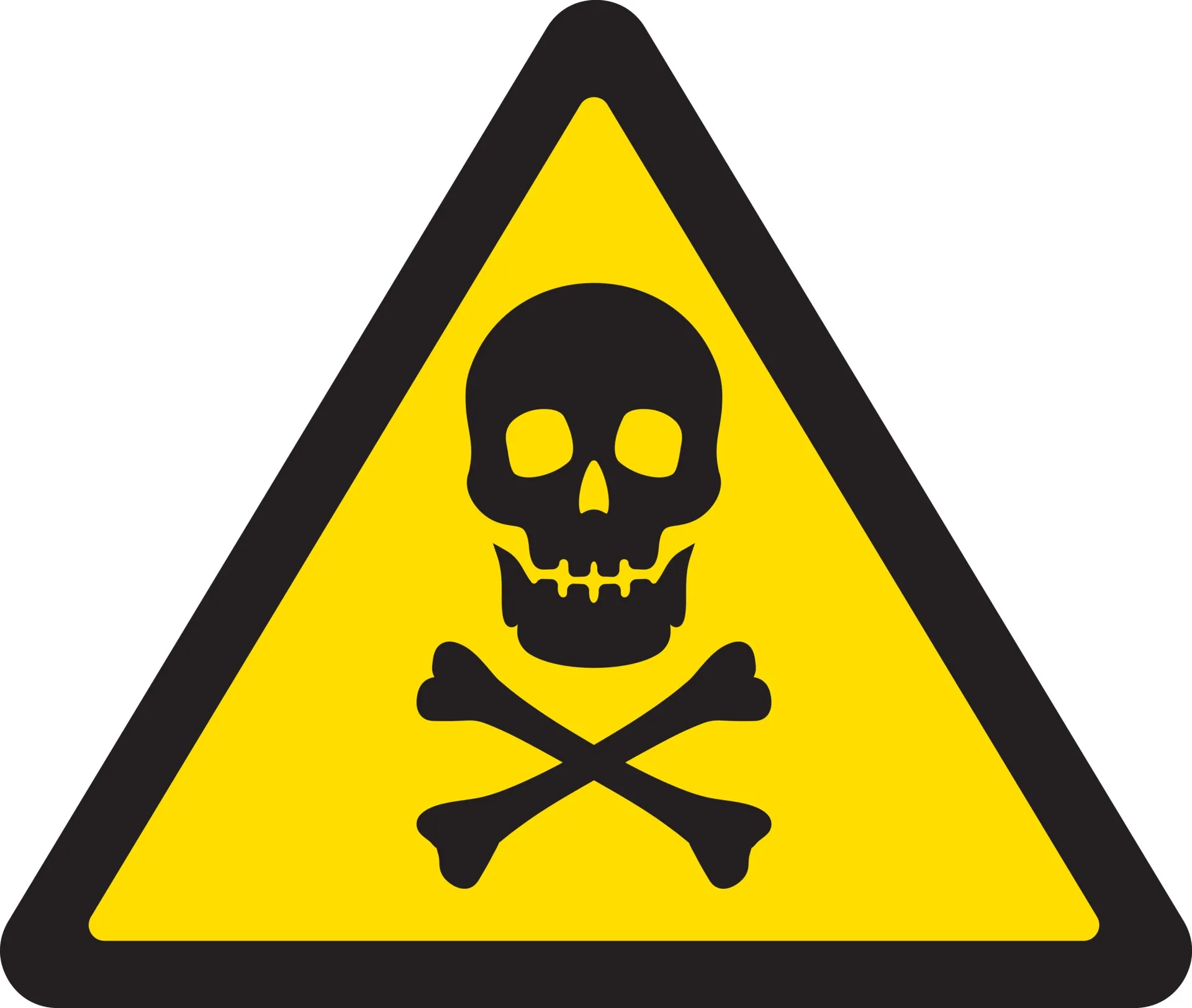 |
This label defines any kind of hazardous element. |
| Toxic | 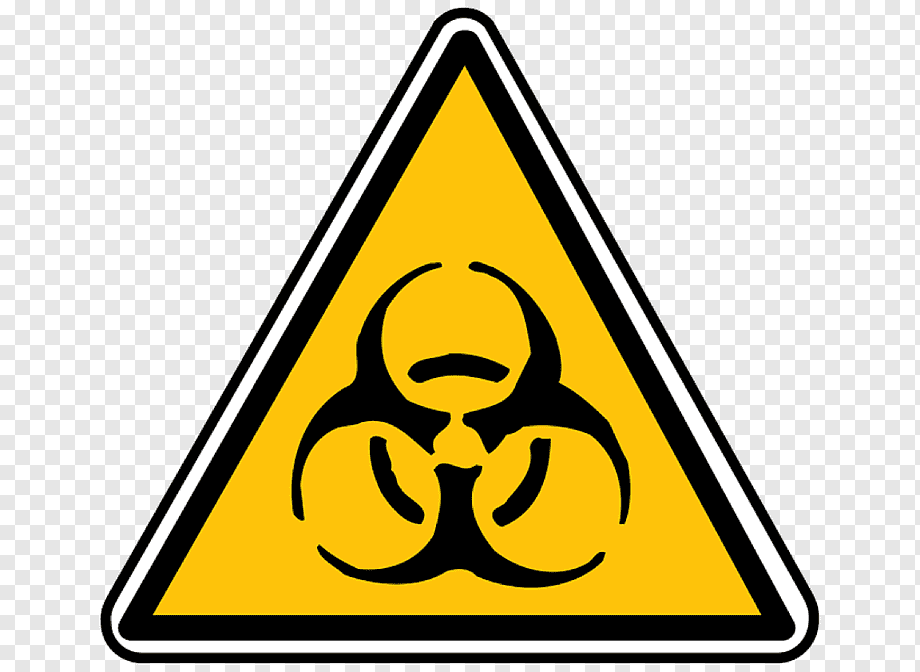 |
This label goes on anything that is poisonous. |
| Corrosive | 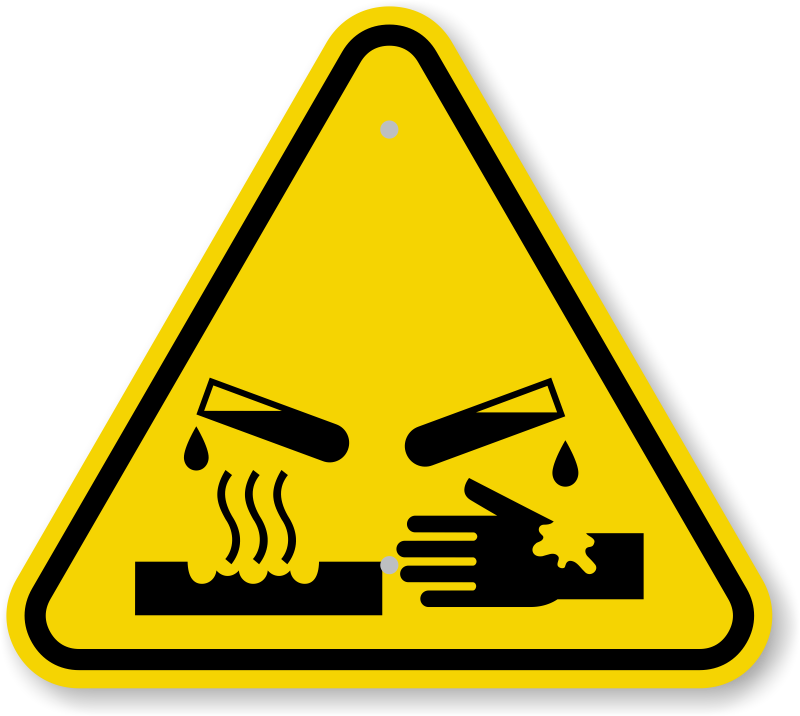 |
Anything that can corrode other materials. |
| Reactive |  |
It reacts with other compounds and undergoes toxic reactions. |
| Flammable | 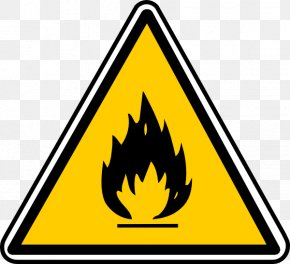 |
Defines something that can be easily set on fire. |
| Caution | 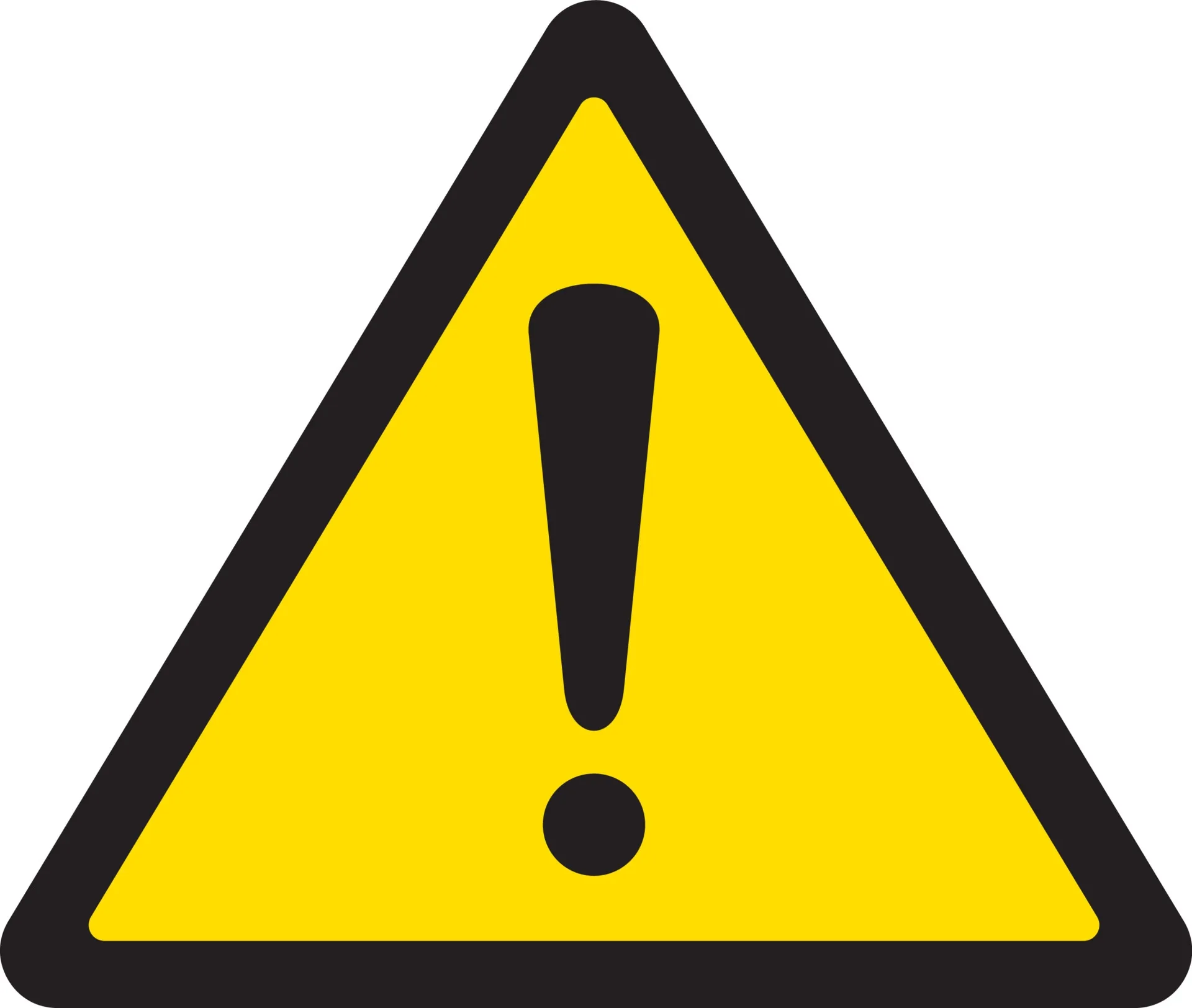 |
This label defines something that needs proper care. |
| Environmental hazard | 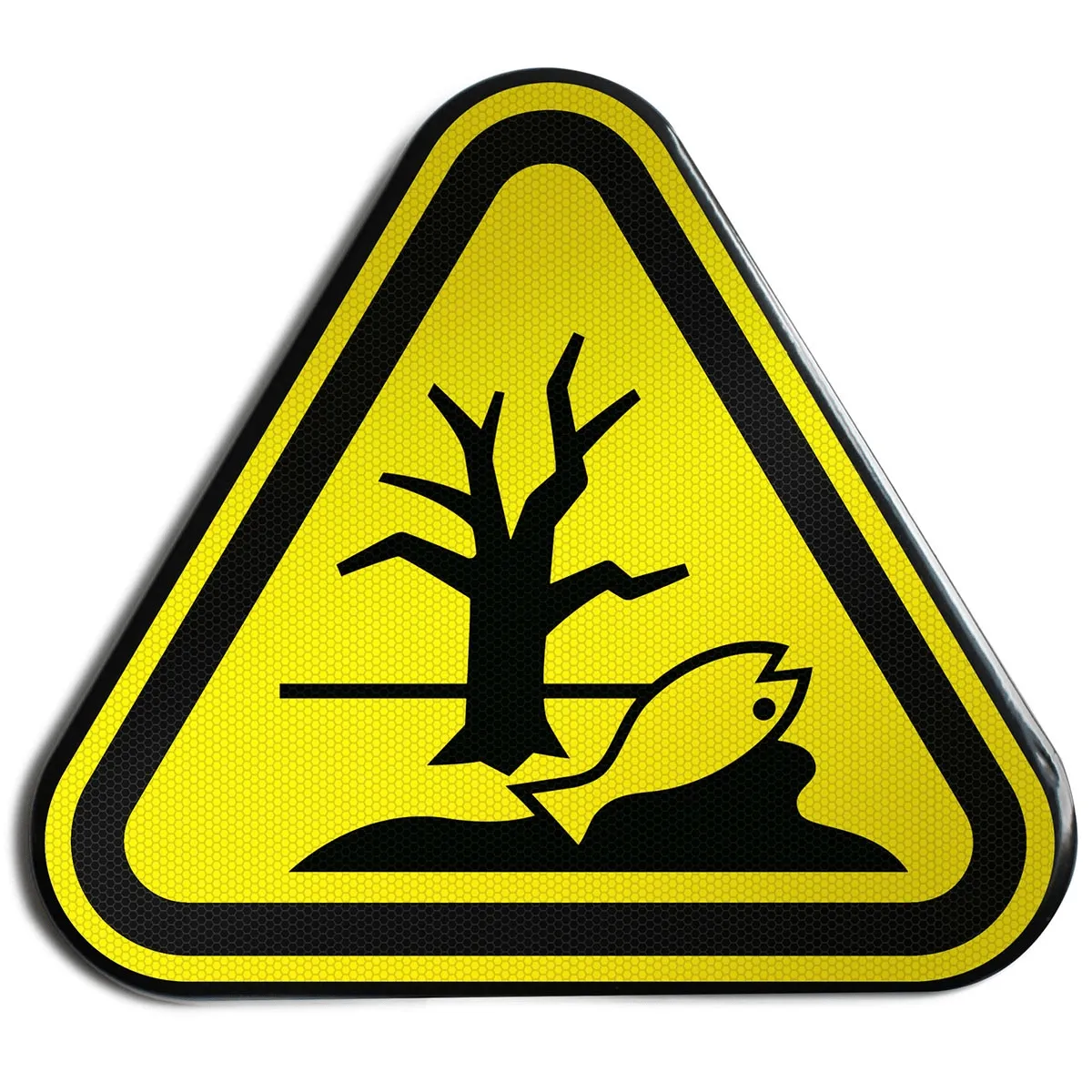 |
Anything that harms or pollutes the environment. |
What happens to household hazardous waste in landfills?
It is important to understand that throwing your toxic and harmful household waste into the trash can lead to environmental damage. Why? Because it is taken away to be deposited in landfills and there it releases all the toxins and does irreparable damage to the ecosystem.
When an inflammable item reaches landfills, it can be easily set on fire directly by sunlight or a nearby fire. Toxic materials can release harmful chemicals into the soil that are later combined with the water and also released in the air and cause breathing problems for people and animals living nearby. Any reactive and corrosive items can start a chemical reaction that can harm the environment.
How to dispose of household hazardous waste?
The alarming effects of climate change are not just a result of huge industries but each one of us releasing hazardous household waste is contributing to it. In order to play your part, you must safely dispose of such waste. Here are the ways to dispose of different types of HHW.
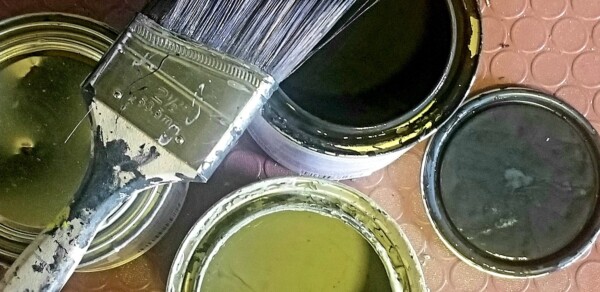
How to dispose of paints?
The disposal and waste management of the extra paint depends on the type of paint and the amount left.
- If it is water-based paint and you just have a small amount of extra paint, you can put layers of the paint on cardboard and let it completely dry. This dried-out paint can be disposed of in a regular trash can.
- For oil-based paint, you will have to contact an approved facility as it contains inflammable solvents.
Safely disposing of lightbulbs
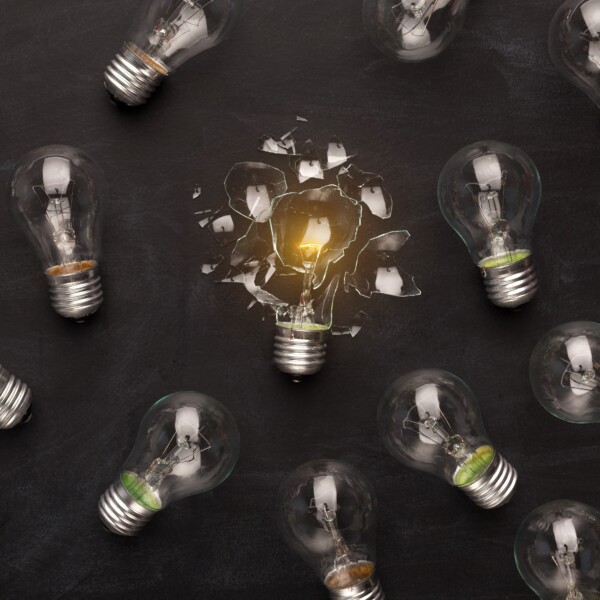
There are different types of lightbulbs and tube lights and their waste management is essential for the environment.
- You cannot throw LED and fluorescent bulbs in the trash. You can send them back to the hardware supply store or give them to a local household hazardous waste agency.
- The incandescent bulbs however can be discarded in a regular bin.
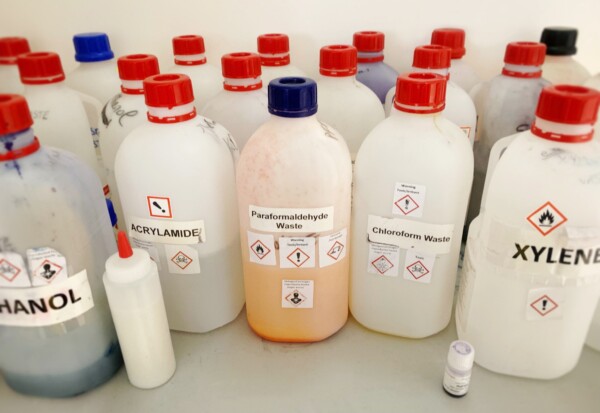
How to dispose of toxic chemicals?
Different types of chemicals are to be disposed of differently after carefully reading the instructions and any danger labels on the container.
- For household cleaners, you can pour them down the drain but make sure to check the label before that.
- For plant chemicals, fertilizers and pesticides, you cannot do this, in fact you will have to contact your local household hazardous waste facility for this purpose.
- Any paints and stains can be sent to the local home improvement store as they will let the manufacturers deal with it.
- To dispose of oils, fuels, automotive fluids and anti-freeze, you can contact your local automotive store to see if they can get them back.
Disposal of waste gases
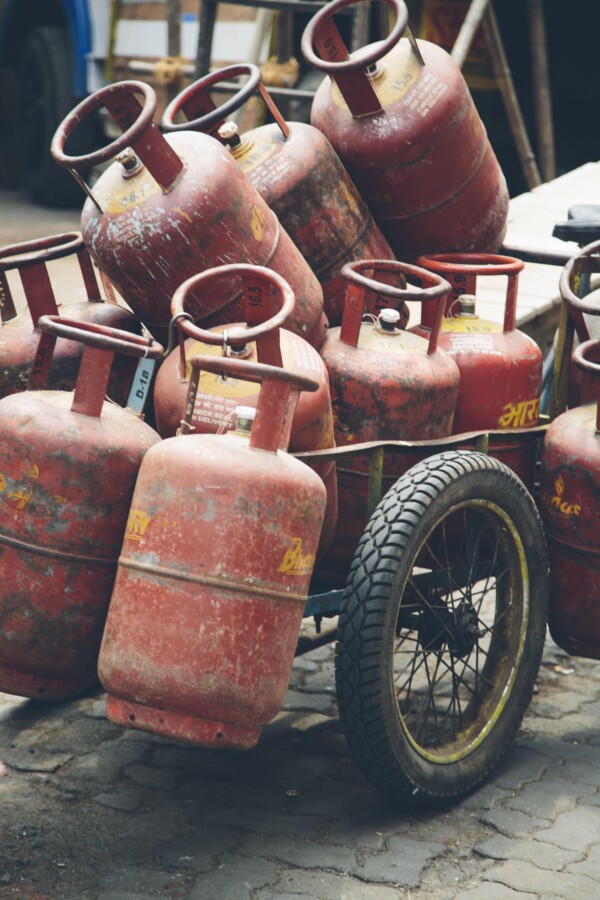
Mostly propane and such gases are not wasted but if you have some gas left in your tank for a very long time and you are not sure what to do with the old gas, it must be safely disposed of.
- If you have a small amount of old gas, you can send the tank back to a facility to be refilled and it will be reused with the new gas.
- In case there is a large amount of old gas you can contact a hazardous waste disposal facility or a propane company to take care of it.
Ways to dispose of electronic waste
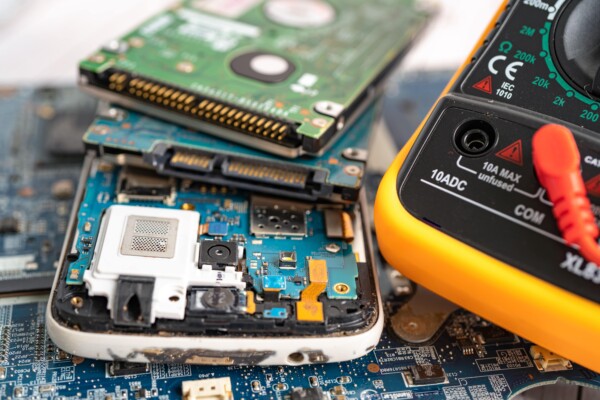
Since batteries recycling and electronic waste cannot be handled by yourself at home, you will need some help. In order to safely dispose of batteries and electronic waste such as computers, laptops and mobile phones, you will have to contact a reliable computer recycling company. You can get help from them to recycle old chargers as well. One such company is CITD and the best part is that they pick up e-waste from your location. It offers convenient old mobile phone recycling to save the planet without much effort.
Where to dispose of household hazardous waste?
The issue related to household hazardous waste is that it does not go into your regular recycling bins. If not recycled, how can we limit the toxic waste from poisoning the environment? Here comes the importance of a household hazardous waste facility and HHW collection events where you can send your toxic waste.
· Local household hazardous waste facility
You can research online to find “household hazardous waste facility near me” and contact each one that shows in the result. Check if they can deal with the type of toxic waste, you have and drop it off at their location.
· Household hazardous waste events
Many local events take place to take your harmful waste and properly dispose of it at secure locations. Every time your community arranges such an event, make sure to collect all such waste at your home and bring it to the event to play your part in keeping the planet green.
· Local IT recycler
In case you have electronic waste such as batteries, old mobile phones, computers, printers and photocopiers, all such hazardous waste can be taken care of by a reliable IT recycling company such as CITD. They will pick up your electronic waste from your location and securely perform IT recycling and disposal services. Additionally, they offer data destruction services in case you have any kind of sensitive information stored on your devices to keep your privacy intact.
Conclusion
It is estimated that up to 35% of households generate hazardous waste without knowing it. The most common types are motor oil, paint, battery electrolyte and pesticides which are thrown in the trash and sent to landfills. This practice is polluting our environment and is an underlying cause of climate change as well. It is imperative to adopt the eco-friendly approach to dispose of such household hazardous waste and get electronic recycling and disposal services.
Booking Form
Free collection available for qualifying items · certificates within 5 working days · 100% diverted from landfill.