

IT Equipment Disposal: Cost-Effective Solutions for Businesses

Do you change your mobile phone every time the new version is released? If you answer yes, most Apple users will agree with you. Similarly, all of us have also changed computers over the years. So, what do we do with this obsolete equipment?
There are two options. You can carelessly dump it anywhere or follow popper IT equipment disposal practices. The second option is better and recommended by experts.
The first option is strongly discouraged due to its severe legal and environmental consequences. This detailed post will cover both aspects. We will also delve into the details of proper IT equipment disposal and the negative results of careless disposal.
It is recommended by industry experts that businesses and individuals hand over their outdated IT equipment to certified e-waste recyclers. Many countries have devised proper laws and regulations to ensure the secure disposal of IT equipment.
Two most common ways of improper IT waste disposal
- Landfill – The first one is the landfills. Hundreds of computers, laptops, and mobile phones are dumped into landfills.
- Burn – In some countries, the pile of discarded computers is burned.
Both are the most terrible answers to the question of, ‘how to dispose of old computers?’
Environmental impact of improper IT equipment disposal
We commonly refer to abandoned electrical equipment as e-waste. It is the product that has reached the end of its lifecycle. Many consumers have no idea about the dangers of toxic substances inside these electronic and computer products.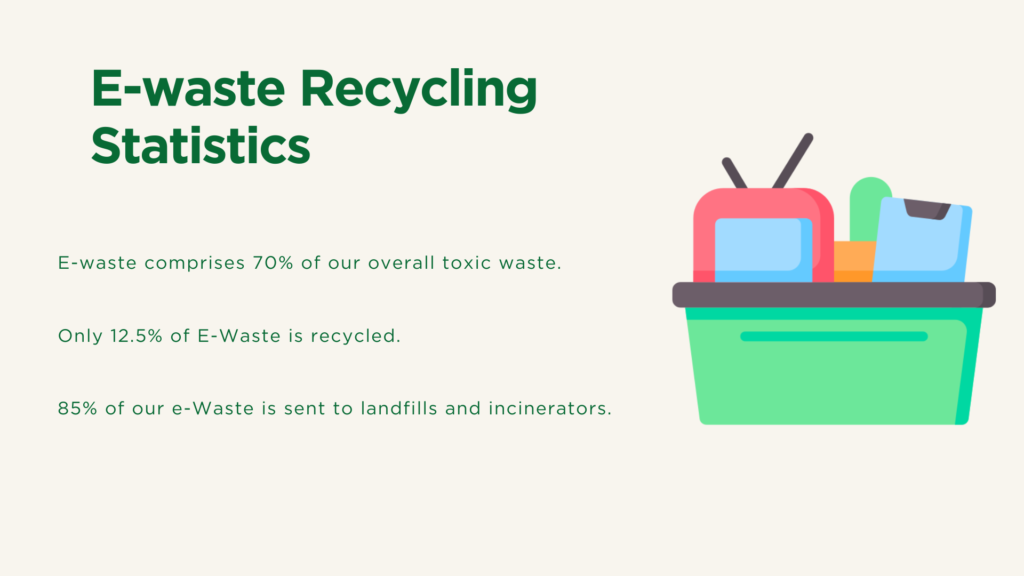
Simply throwing it away in the garbage or putting it in landfills can terribly harm the environment. Both animals and humans living may have to face severe health consequences. That is why proper disposal of IT equipment is more than just necessary.
Putting e-waste in landfills makes toxic chemicals release in the environment. It happens when the ground heats up in the summer. Dangerous substances inside computers also heat up, impacting the earth’s air, soil, and water.
Some negative effects on air
When the materials inside e-waste melt, dust particles are released into the environment, which causes air pollution. This polluted air can damage the respiratory health of humans who breathe in it. Burning e-waste also increases the risks of chronic diseases and cancer.
Some negative effects on soil
When you dump e-waste in a landfill, heavy metals and flame retardants seep directly from the e-waste into the soil. That contaminates underground water and can damage the nearby crops. Crops can absorb the toxins and transfer them into future consumers’ bodies.
Understanding IT equipment disposal
IT equipment disposal procedure
IT Equipment disposal or IT recycling is a long process of six steps. The first step is collection and transportation. We collect the equipment and transport it to the recycling plant. Then, the second step of sorting. The staff sorts the equipment based on type and model to simplify the recycling process. Then comes the third step of dismantling. For example, teams extract the laptops’ RAMs, processors, and hard disks.
Then comes the fourth and the most labour-intensive group. Industrial processes are followed to extract the valuable materials from these devices. The fifth step is cleaning this extracted material to prepare it for resale. Finally, the last and sixth step of recycling is to use this material for new products or sell it to companies needing it.
Data security risks of unsafe IT equipment disposal
We all know about the importance of data security. Data is one of the most critical business assets these days. So, businesses must remove the data from storage devices before recycling their laptops and computers.
Carelessness may have as severe consequences as a data breach. Your computers may even have your clients’ data stored. Anyone can use it to harm you and your clients. Imagine the damaged business reputation you will have to experience. How long would it take to rebuild the lost customer trust?
WEEE regulations
The WEEE directive is a European Union regulation. The purpose of setting it up is to reduce the amount of waste electrical and electronic equipment (WEEE) incinerated or sent to landfill sites. The WEEE regulations are the UK version.

And WEEE regulations cover all electricals. It includes anything with a plug, battery, and cable. Both large household appliances and small household appliances are its part.
The obligations on producers and retailers of electrical and electronic goods are called WEEE compliance. Under the WEEE Regulations, they must ensure processes and collection systems are working so that old electrical and electronic appliances get reused and recycled rather than thrown away.
Cost-effective solutions
Outsourcing IT asset disposal or in-house disposal
So, when your IT assets reach the end of their life, it is best to outsource the disposal project to specialised vendors. This helps you protect your data and mitigate legal and financial risks. Also, this is a great way to demonstrate your commitment to sustainable practices.
Today, the public also knows the importance of going green for the planet. They prefer to buy products from businesses that understand their environmental responsibilities. Also, it is good from a cost-saving perspective. You save the cost of in-house disposal, which needs training and labour.
Local recycling centres & take back programs
Also, you can go to local recycling centres. Your local authorities can provide you with this information. Then, there are manufacturer take-back programs. IT equipment producers happily take back their obsolete products. You can find computer disposal London services if your business resides in London.
Online programs
You can also find online programs to sell outdated IT equipment. The equipment can even help you earn. You can also sell it directly to individuals or businesses.
Environmental-friendly practices
So, what are the environmentally friendly options if landfills are not? Let us review some of them:
1. Donation
Donating your old equipment to underprivileged people who cannot afford to buy new ones is always a great option.
2. Refurbish
Are you sure your equipment is totally useless? Maybe you can replace one default component with an upgraded model and use it again. Try to find such options.
3. Repurpose creatively
There are a lot of different creative uses you can apply. One of the most common is using an old monitor as a photo frame. Many people use old PCs as home servers.
4. Recycle
If none of these work, the option of going to professional recycling companies is always there for disposal of IT equipment.
Conclusion
So, safe IT equipment disposal should be the top priority of your business to prevent legal and environmental consequences. It has two-fold benefits. You earn a good reputation as a responsible business and earn some cash.
Computer IT Disposals is one of the best choices you can make if you are looking for professional recyclers. Their recycling procedures are entirely environment-friendly and offer data security.
Booking Form
Free collection available for qualifying items · certificates within 5 working days · 100% diverted from landfill.