

Cracking the Code of E-waste: Answers to Your Most Asked Questions
While people are already aware of general recycling, e-waste recycling is still a new concept to many. On the other hand, the amount of e-waste is increasing daily. Educating people about computer recycling and the disadvantages of proper disposal has never been more critical than today.
One of the most important reasons people do not recycle is lack of awareness. Many people are unaware that a simple Google search of ‘laptop disposal near me‘ would provide them with all the necessary information. Computer recycling is the need of modern times. This blog briefly answers some of the most important and frequently asked questions.
Question 1: What items can be considered e-waste?
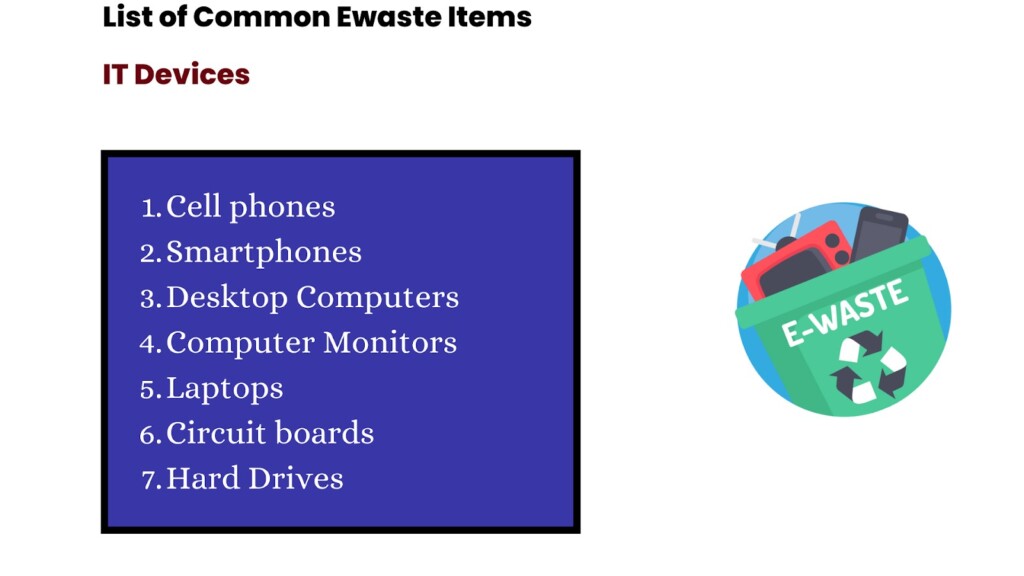
Answer: Any electronic item no longer in human use can be considered e-waste. The reason why people do not use it is not important. Devices could be outdated, out of order, or both. Careless dumping of such devices into trash has severe environmental consequences.
Question 2: How much e-waste is generated in the UK?
Answer: The figures can change every year. The UK generated 36,681 tonnes of household waste electrical and electronic equipment in 2021.
Question 3: Is recycling computers, smartphones, and other electronics possible?
Answer: Yes, it is 100% possible. You can recycle all modern electronics, not just laptops and computers but also microwave ovens, lamps, and other power equipment.
Question 4: Do you need to wipe your laptop before recycling?
Answer: Yes, it is crucial for both businesses and individuals. Storage devices can have any sensitive business information. Anyone can use this data against you and cause any financial harm to you and your customers.
Question 5: How do I destroy my hard drive before recycling my laptop?
Answer: It is better to hire data destruction services. They properly break it through industrial equipment and make data unrecoverable. That level is not possible to achieve at home.
Question 6: How do I completely wipe my computer?
Answer: You can format your hard drives at home, but finding a company that offers data destruction services is much better for secure IT disposal. They break the hard drives through industrial equipment and make data recovery impossible.
Question 7: Why should we recycle e-waste? (Talk about not throwing e-waste in regular bins)
Answer: The only purpose is to avoid improper disposal. Improper disposal releases dangerous toxins into soil, air, and water. It can affect not just humans but also animals living nearby.
So, if your electronics have reached the end of their life, recycling is one of the options. You can also choose to donate or refurbish.
Question 8: Why can’t I use a regular bin to put my old laptops? (because they would help avoid improper methods)
Answer: In many countries, governments provide specialised bins for old IT equipment. Do find out the processes of your country.
Question 9: Are there specialised bins for electronics?
Answers: It depends on where you live. Developed countries are gradually adopting this practice of placing e-waste bins in public places.
Question 10: What are the common improper methods of e-waste disposal?
Answers: Two of the most common ways are landfills and acid burn.
Question 11: What are the problems with the landfill method?
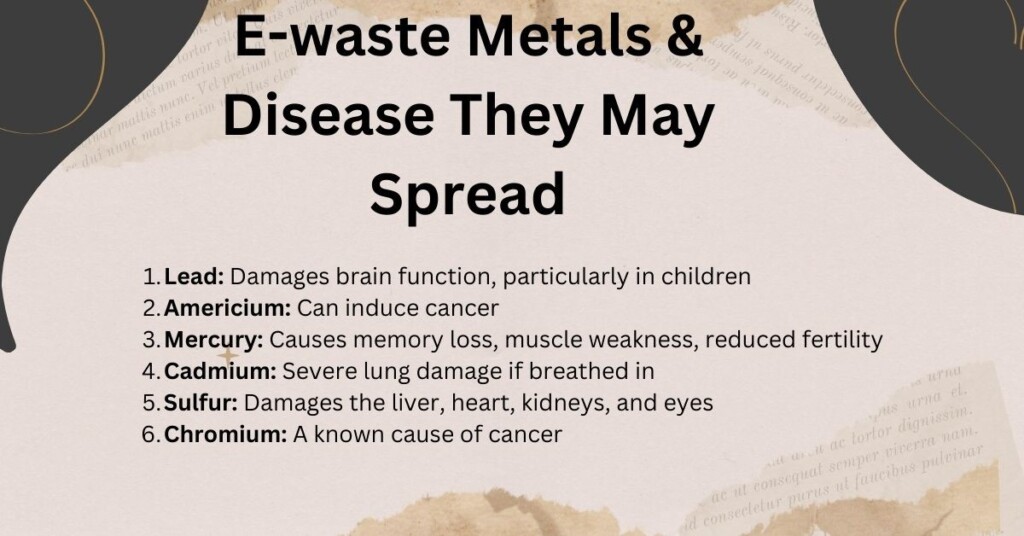
Answer: Landfill means that we dig the electronics in the ground. Ground heats up in summer, and so do these buried devices. That leads to dangerous materials inside electronics like Lead, Beryllium, and Cadmium getting hot, contaminating soil and water.
Question 12: What are the health hazards caused by improper disposal of e-waste?
Answer: It can disrupt the development of the central nervous system during pregnancy and infancy. Childhood and adolescence are also no exception. Also, some harmful toxicants in e-waste may impact the structural development and function of the lungs.
Question 13: Can I donate my old devices?
Answer: Yes, donation is also a good option. Not only individuals but institutions may also benefit from your donation if you have more than one item.
Question 14: What is the right time to recycle old electronics?
Answer: Much effort also goes into recycling, so it is better to explore the refurbishment and donation options first. You can refurbish the computer and make it usable again with some changes or upgrades. Also, you can find other individuals or institutions that can use your old equipment.
If none of them is possible, you should go for recycling. Many companies provide proper computer recycling services. However, remember that e-waste recycling is not recycling plastic bottles or old dresses. Do not type “local recycling centre”. Type something like “laptop recycling center near me.”
Question 15: Where can I recycle items?
Answer: You can either consult any local recycling firm or get help from government agencies, depending upon which country you live in.
Question 16: Do these companies also pick up the IT equipment?
Answers: Different companies have different policies. Some would pick up the equipment free of cost, some would charge, and some would not provide a pickup service at all. Distance is an important parameter. If your business is based in London, try to find a IT Recycling London company.
Question 17: Are there any recycling charges?
Answers: Recycling charges would vary depending upon the recycling partner you choose. Some companies would charge you for things like data destruction, and transport, and some would not.
Question 18: Do we get certificates to confirm the data wiping?
Answer: Yes, reputable companies will always provide you with a certificate of data wiping.
Question 19: Which are the best recycling companies in the UK?
Answer: Computer IT Disposals and Eco Green IT Recycling are the best recycling companies in the UK.
Question 20: What happens to laptops when they are recycled?
Answer: Waste centres extract valuable materials from them, which are used in new products.
Question 21: What is the process of computer recycling?
Answer: Laptop Recycling is an extensive industrial process. In the first step, e-waste is transported to the recycling centres. Staff sorts this waste by device type or model.
Then comes the third step of dismantling the equipment. Industry specialists separate things like plastic casings, circuit boards, cables. That also includes internal components like power supply, and hard drives.
In the fourth stage we finally recycle this dismantled equipment. At the end we have recovered material to use in new products.
Question 22: Would recycling also help save resources?
Answer: Yes, it is highly beneficial in saving resources. You reuse the materials, which reduces the need for mining to get fresh raw materials.
Question 23: Which legal authority handles the e-waste related issues in the UK?
Answer: WEEE Recycling is an exponentially growing sub sector of the waste and recycling industry. WEEE stands for Waste Electrical and Electronic Equipment. Behind this was the implementation of the original WEEE Directive in the UK by the WEEE Regulations 2006.
Requirements for different aspects like recovery, reuse, recycling and treatment of WEEE came with that. On January 1st, 2024, the Waste Electric and Electronic Equipment (WEEE) Regulations 2013 became law in the UK and replaced 2006 regulations.
Question 24: What is EPR?
Answer: It stands for Extended Producer Responsibility. It makes the manufacturers of computers responsible for recycling their manufactured devices.
Booking Form
Free collection available for qualifying items · certificates within 5 working days · 100% diverted from landfill.