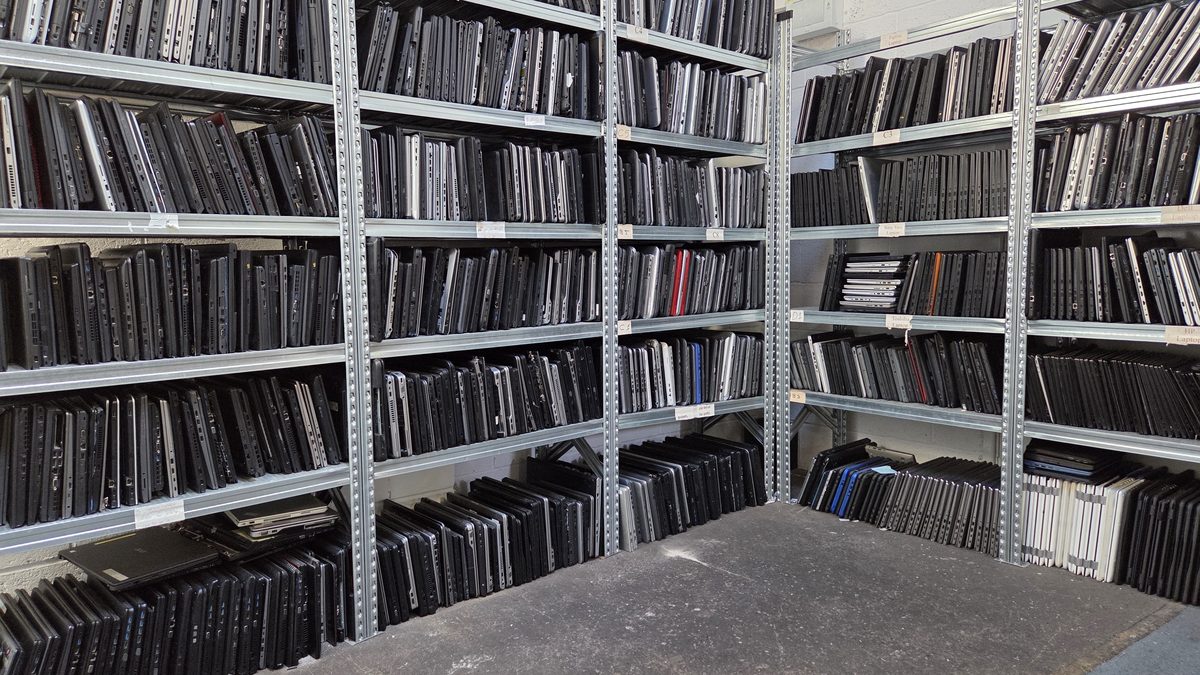
Tossing old hard drives in the bin or carelessly throwing an old laptop could be one of the worst mistakes a business can make.
Yes, forgetting one hard drive can lead to losing millions of pounds, since it opens the door to data breaches. Also, not wiping the data before you recycle your computer is a punishable offense in many countries.
Not only hefty fines, but you could also have to bear severe reputational damage, and non-compliance. Data destruction is a major part of computer recycling. Failing in either holds you accountable.
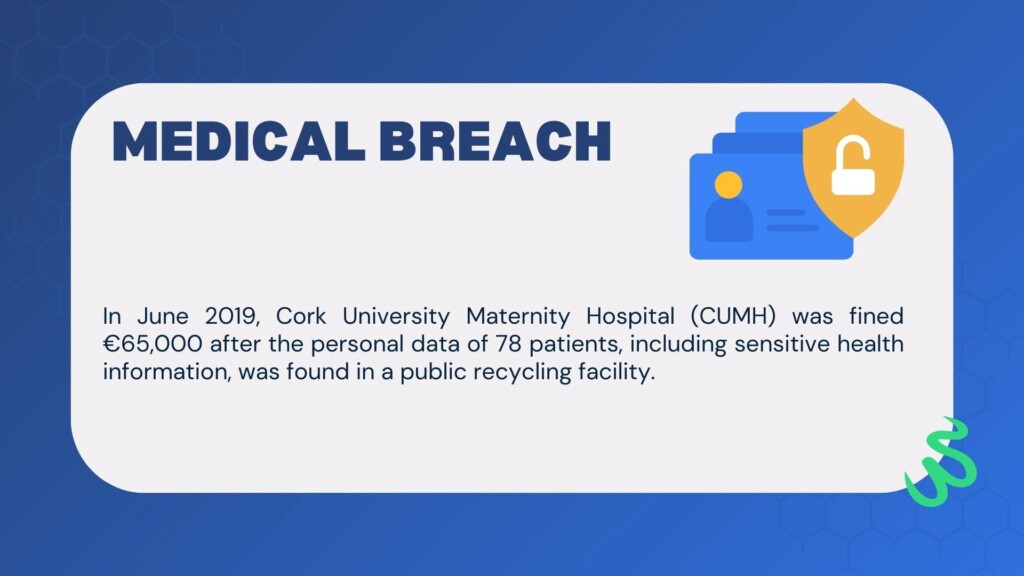
Different authorities and regulations like WEEE can impose heavy fines for failing to recycle old computers. GDPR law, on the other hand, will be there to fine you for not caring about your customers’ data.
WEEE waste recycling and data destruction should be top priority of businesses. This post explores why UK businesses must prioritise WEEE compliance while business computer disposal process.
Recent Incidents of Companies Getting Fined due to WEEE
Here are some relevant incidents from recent past for your information.
- A large distributor of mobile phones in UK was found guilty of breaching WEEE regulations. The business failed to register with a compliance scheme, among six other charges, and was fined more than £23,000.
- Here is an example of organisation getting fined by UK Government. A former Northumberland-based recycling business and its director had to pay an amount of more than £54,000 in fines. They had to compensate for failing to finance the collection, treatment, and disposal of household WEEE items, as reported by GOV.UK.
Recent Incidents of Companies Getting Fined due to GDPR
Here are some relevant incidents from recent past for your information.
- Luxembourg’s National Commission for Data Protection (CNPD) fined Amazon Europe in 2021. Company had to pay a record-breaking fine of €746 million. The way they used customer data for targeted advertising purposes was not legally right.
- TikTok had to pay €530 million for violating GDPR rules in May 2025.
- Meta Facebook owner was fined € 1.2 billion for mishandling data. That perhaps was a record-breaking fine in history.
What is WEEE?
Let’s understand the term in depth before we discuss its importance.
It is regulatory authority that ensure proper disposal of electronic and electrical items in the UK. WEEE stands for Waste Electrical and Electronic Equipment.
Who Must Comply
If a company does any of following things, it has to comply with WEEE regulations.
- Sells and manufactures electronic equipment with its own brand name.
- Resell the electrical and electronics equipment produced by other suppliers under their own brand.
- Imports such equipment.
Some History
The directive first came into being in 2006. Today’s set of regulations was last amended in 2014. It was implemented into UK law in 2013. If you are a manufacturer, vendor, distributor, or a reseller, you must comply.
The aim of WEEE is to reduce the amount of electronic waste that goes to landfill or gets incinerated. Both these practices damage the environment. Obviously, the health of humans and animals living in damaged environment is at stake all the time.
Appliances Covered by WEEE Regulations
- Large household appliances
- Small household appliances
- IT devices and electrical and electronic tools
- Consumer electronics and consumer equipment
- Medical devices
- Lighting fixtures and lighting equipment
- Smoke detectors
Think You Are Just Recycling?
You may think so, but the law thinks differently. WEEE isn’t just about being green—it’s about being accountable. Companies must find good IT disposal in London service, or anywhere in UK to make sure they are on track.
Biggest Myth to Debunk
Please make sure you do not confuse warehouse storage with disposal. Storing your old tech in a warehouse is a different matter. It is neither equal to safe disposal nor secure recycling. WEEE compliant waste recycling is a whole other story.
Storing in warehouse hardly shows your intent of disposal. Intent is not synonym to compliance.
Donation is also not disposal. If you donate your equipment, you should have proof of it in papers. You should be able to prove that now your old equipment belongs to someone else. Disposal is now their headache. Otherwise, WEEE can hold you accountable.
What’s at the Stake: Fines, Loss of Trust?
Here is a breakdown of real-world consequences. What happens if you fail to recycle old pcs and other electronic equipment?
Fines
Cost of non-compliance can be horribly expensive. We have already seen some examples above. At magistrate court, it could be up to £5,000. In crown court, it is unlimited.
Loss of Trust
Only one breach is enough to break the trust build after decades of hard work. Your customers provide you their sensitive data online, and unsafe disposal of your old hard drives can expose this data. A business lets their old laptop or smartphone go to the landfill, hackers find it there and access the sensitive data.
So, make sure you dispose of your old computers in a responsible way. Complete data destruction is a crucial element of it. Try to find the computer parts recyclers who also guarantee total data destruction. They will make recovering your data impossible by either physically destroying the hard drive or by using advanced software tools to make the data non-readable.
Not only customers, but you may also lose the trust of your shareholders.
Loss of Certifications
In some cases, your certifications will also be cancelled.
Key Obligations on Business (According to WEEE)
Here are some major responsibilities businesses must take if they have to ensure completely WEEE compliant recycling and WEEE disposal.
1: Registration
Every company must register with relevant national authorities.
2: Product Labelling
Label every electronic product with a crossed-out wheelie bin symbol. The purpose of this symbol is to let the consumers know this product is nothing like general household waste. They must not let it mix up with regular garbage.
3: Take-back Systems
Companies must offer an in-store product take-back system for free to their consumers. This system allows customers to return their old and damaged electronic products. Idea is to get two benefits. Number one is to reduce amount of electronic waste in the landfills. Second is to recover old electronics for potential reuse.
4: Reporting
Businesses must report about the type and number of electronics they manufacture, distribute, and sell.
5: Electronic Waste Management
Every business must ensure their e-waste is properly collected, treated, and recycled. Moreover, it must be done in compliance with the regulations. Companies may utilise recycling programs offered by Government or hire a good pc recycling company.
6: Record Keeping
Keeping record is vital aspect of all these pervious responsibilities. WEEE directive also requires businesses to document everything.
7: Data Destruction
Also, businesses must make sure they destroy their data.
The C-Suite’s Checklist: Ethical Disposal That’s WEEE-Compliant
So, WEEE compliance is critical for modern UK businesses. Here is your complete checklist to stay compliant. It’s an executive level checklist and not just for IT managers.
1: Data Destruction Certificate
Do not forget to receive complete data destruction certificate from your IT recycling services provider. You may have to show this document at any point. Paper-based proof of all disposals is a must, and it should be detailed. The paper you receive should be able to answer the following questions:
- The data and time of data destruction
- The method used for data destruction
- List of devices whose data has been destroyed
- Detailed information of all devices (company name, model, etc)
- How much data was destroyed
2: Asset Tracking
The next thing is asset tracking system. Organisational processes of the firm you hire for recycling should be strong enough to have detailed view on every device’s condition. Plus, the logistics should have GPS-enabled vehicles so that the location of devices can be tracked.
For proper asset tracking, here is one more important concept to understand:
Chain of Custody Logs
What is chain of custody logs?
It actually refers to the documented, unbroken trail of control over IT assets from the moment they leave an organization to the point of final destruction or recycling.
Chain of Custody logs is crucial for recycling or disposal of storage devices. Here are the key components of a secure chain of custody:
- Barcode or RFID tracking of every device
- Timestamped logs of every hand-off
- Using secure transportation methods such as sealed containers, GPS tracking
- Restricted access storage and processing facilities
- Signed documentation at every transfer stage
When you are discussing the project with a potential vendor, talk about both aspects. They should be able to demonstrate that they always provide data destruction certificates as well as chain of custody logs to their clients.
3: Zero Illegal Export
Sometimes, if businesses do not pay attention, their old computers are illegally exported to third world countries. Do all due diligence to ensure your selected company is not involved in such practices.
Shift the Thinking from Reactive to Proactive
The best strategy is to adopt proactive approach. Organisation should keep disposal in mind from the day one. Try to integrate disposal into procurement and refresh cycles.
Rather than waiting for five years, it is better to recycle after 18 to 24 months. Every two years, businesses should conduct audit to find out the devices that need attention. It is only possible, when every device is analysed at individual level. Separate records should be maintained of devices that needs refurbishment, disposal or recycling.
Conclusion
So, your outdated or broken computers are not just simple back-office waste. In case of wrong treatment, they can become a significant legal risk for your business. It can cost you millions. That is why total WEEE waste recycling is crucial for UK businesses.
So, partner with a reputable recycling company to make sure proper old computer disposal. Computer IT Disposals is one of the firms known for great WEEE waste recycling services.