The modern world is generating e-waste at an alarming rate. Individuals, businesses, and governments must fulfil their social responsibility by recycling the tech devices that they discard. It may not be a tough duty to recycle old laptop after using it for a couple of years for an individual.
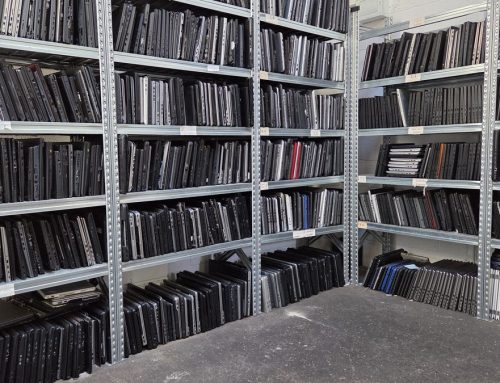
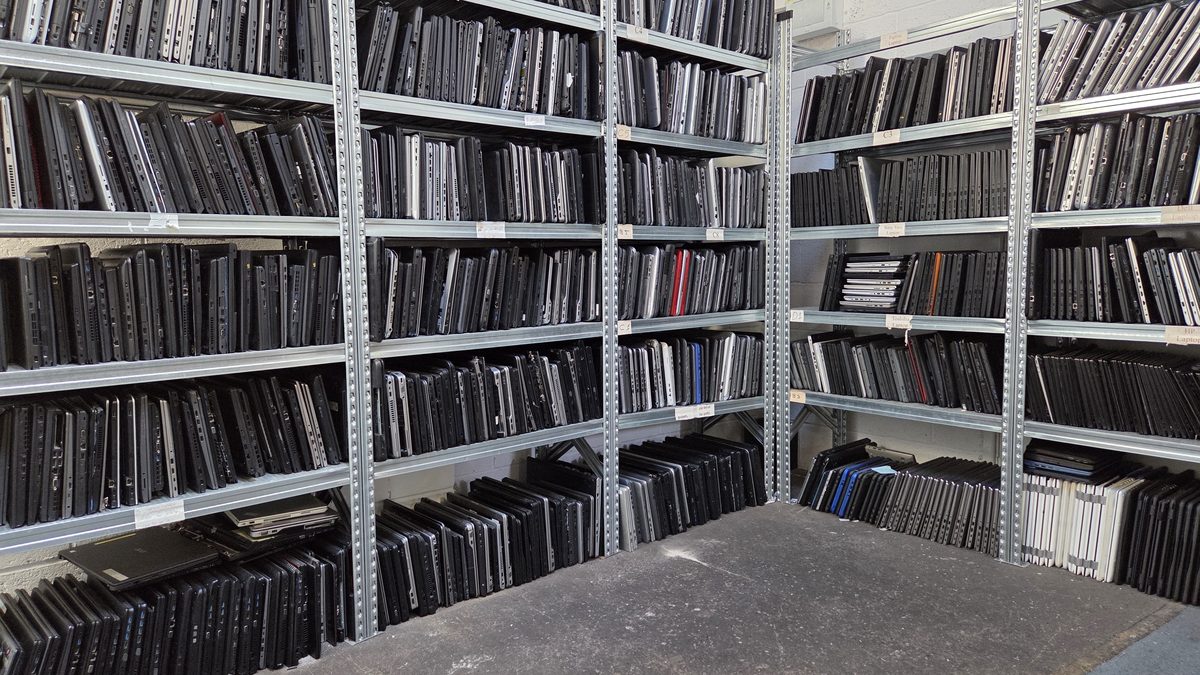
But, with big power comes bigger responsibilities. Secure IT Disposal for large enterprises is not easy at all. Businesses have to handle a large volume of outdated IT assets. Bulk IT equipment recycling comes with its own challenges, and this is the topic of today’s blog post.
IT Recycling & Large Enterprises
Recycling is a complex and sensitive task. The complexity further increases when the number increases. Big enterprises have dozens of employees, and all have personal devices. Just in a couple of years, there are many devices to dispose of or recycle.
This means there is a huge volume of data that you must take backup. Moreover, all this data needs to be destroyed hereafter, so no unauthorised person can access the data. There are dozens of storage devices. Enterprises have to make sure that they IT recycler that they hire also shred the storage devices or use software tools to make the data irrecoverable.
Organisations that fail to comply with laws related to computer recycling and data destruction may have to pay heavy fines.
Then, all devices have to be sorted and transported to the recycling facility. Logistics itself is a challenge, if companies have to manage it themselves. Specialised vehicles are needed to carry the stacks of computers and smartphones. There should be proper cabinets otherwise the equipment can break any time. Also, to avoid theft these vehicles should come with GPS.
Challenges of IT recycling at enterprise level
There are four major challenges:
- Data security: Devices have sensitive data that must be erased in a secure manner. Otherwise, outcomes can be data breaches and non-compliance that lead to fine.
- Logistics: You need specialised logistics and infrastructure for collecting, transporting, and processing a huge volume of computers.
- Environmental compliance: Businesses have to navigate the complex web of federal, state, and local e-waste regulations. This is a complete discipline in itself. However, it is also essential for avoiding legal liabilities and environmental harm.
- Resource recovery: You must maximise the value of e-waste through efficient material recovery. That demands specialised processes and expertise.
Understanding UK Regulations
Here are the regulations you must know if you are a business that operates in the UK.
What does It mean to be a WEEE-compliant?
WEEE stands for Waste from Electrical and Electronic Equipment. These are the EU rules that provide a guideline on how to treat waste electrical and electronic equipment to contribute towards a circular economy. It is a European Community Directive, numbered 2012/19/EU, concerned with waste electrical and electronic equipment.
Here are three basic points about WEEE directive:
- It requires the separate collection and proper treatment of WEEE. Also, it sets targets for their collection, recovery and recycling.
- It is there to help out European countries fight illegal waste exports more effectively. The strategy it adopts is to make it harder for exporters to disguise illegal shipments of WEEE
- It reduces the administrative burden by calling for the harmonisation of national EEE registers and of the reporting format.
Data Protection Act 1998
This law bounds businesses to protect personal data when they dispose of their IT equipment. All data must be wiped from any hard drives or other storage devices before they are recycled.
Environmental permitting regulations 2010
Companies must obtain a permit from the Environment Agency before they can recycle certain types of WEEE. It covers equipment such as CRT monitors and TV sets, which contain hazardous substances.
Secure IT disposal for large enterprises: Efficient approaches
So, here are some tips to help you out if you have stacks of old devices to recycle.
Approach 1: IT asset disposition policy
At some point, every organisation has to manage the IT assets that have reached the end of their useful life. One of the best practices for bulk business computer recycling UK is to create an ITAD policy. This policy gives you a structured approach to management of electronic waste.
- Define the clear goals of your recycling program.
- Some example goals are reducing waste or recovering value from retired assets.
- Asset disposition is a process with many steps. There should be a clear and well-defined procedure for every stage of asset disposition, from data destruction to final recycling.
- Make sure you comply with relevant regulations.
A good ITAD policy formalizes your recycling efforts and sets the stage for responsible IT asset management.
Approach 2: Train your employees
All plans would just be words written on paper until you ensure the participation of your employees. It is crucial for the success of recycling program.
Consider the following tips to develop a culture of environmental responsibility and flourish it:
- Conduct training sessions to educate them about the importance of recycling old tech devices.
- Involve them in the processes like IT assets tracking and assets.
- Reward the employees who contribute in this program more than others.
Approach 4: Start identifying recyclable assets
Assess every item on an individual level. There are three things you must consider:
- Age
- Condition
Items can be reused and refurbished. You do not necessarily recycle every item.
Approach 5: Organizing a company-wide IT asset audit
It is a census of your company’s technology. Think of it as a systematic check of what you have, where it is, and its condition. Here’s how to conduct one:
- Use inventory management software to track assets.
- Record the detail of every item including purchase dates and any repairs.
- Determine the end-of-life status to decide if an asset should be recycled.
Audit not only helps with recycling but also helps with budgeting for future tech needs. It can be a critical part of disaster recovery planning.
Approach 6: Make a separate recycling team
IT departments already have to handle a lot of other stuff. It is better not to engage the entire IT team into the computer recycling activities. Rather try to make a team within IT staff to handle the recycling project.
Approach 7: Maximise financial recover with refurbishment & resale
A simple google search phrase like computer recycling near me can help you find a lot of different IT recycling companies. Try to partner with a reputable IT disposal firm, since they will help you maximise your earning by refurbishing the items that are still functioning or have minor defaults. Hence, company can recover some of its IT investment, potentially turning waste into a revenue stream.
Conclusion
Secure IT disposal for large enterprises seems like a complex task for sure. However, the right tips and tricks can easily simplify it. Also, you can carry out the project easily by outsourcing it to good IT recycling companies like Computer IT Disposals. The company manages the bulk computer recycling task efficiently and also offers reliable data destruction services.